I would not trust AI tools to magically solve my content workflow issues. They can help, but without understanding what your business truly needs, you might end up with more problems than solutions.
Test one real workflow for two weeks before making major changes. Understand what job the customer needs done, and avoid trendy tools that do not fit your business model. AI can assist, but it should not dictate your entire strategy.
The mistake is relying on AI without context
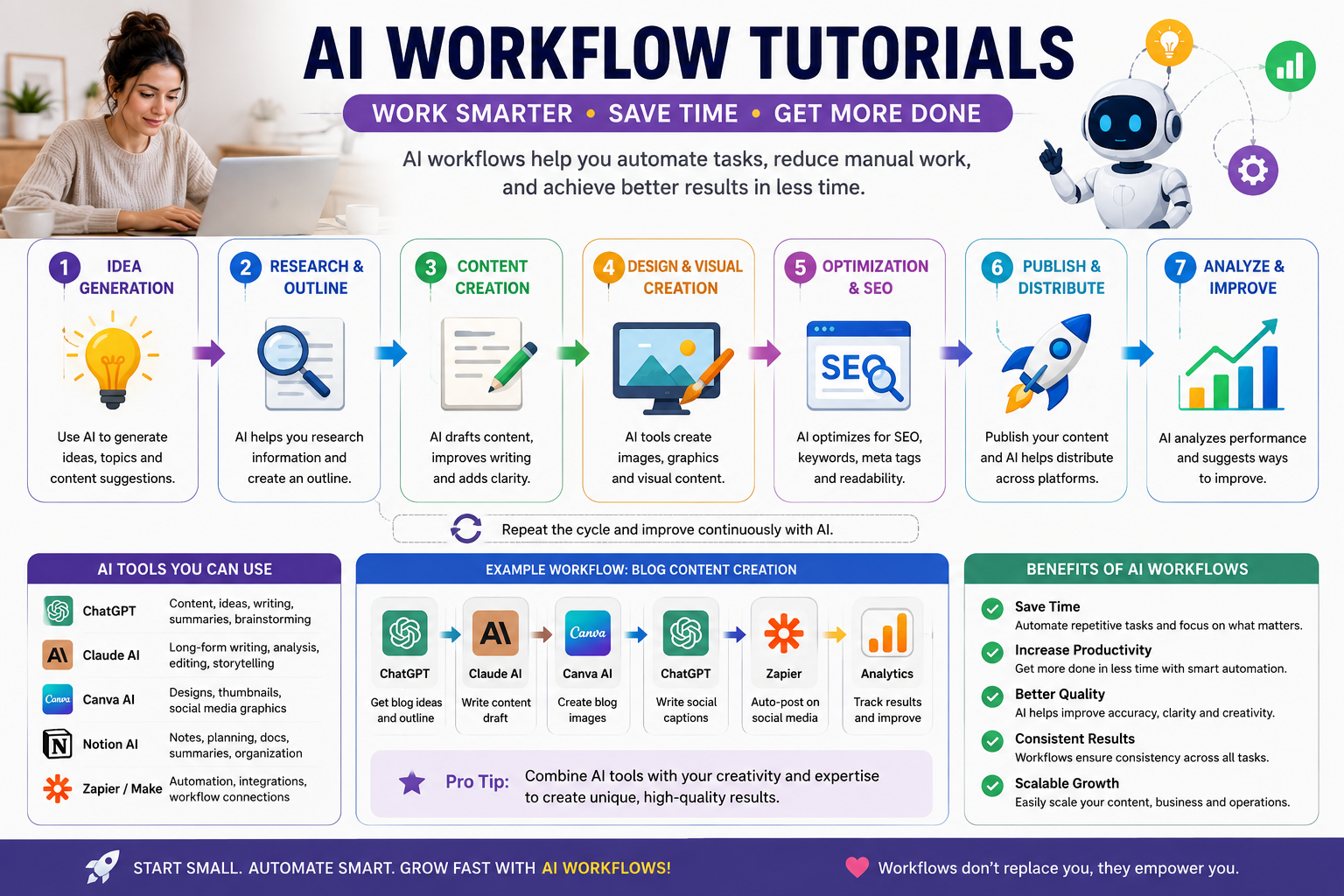
Many jump into AI tools expecting them to handle everything. That is a mistake. AI is not a substitute for knowing your audience or understanding your content goals. Before you even touch an AI tool, clarify what outcome you want. Are you looking for faster content production, fewer errors, or something else entirely? Knowing this will guide your tool choice.
Testing a workflow
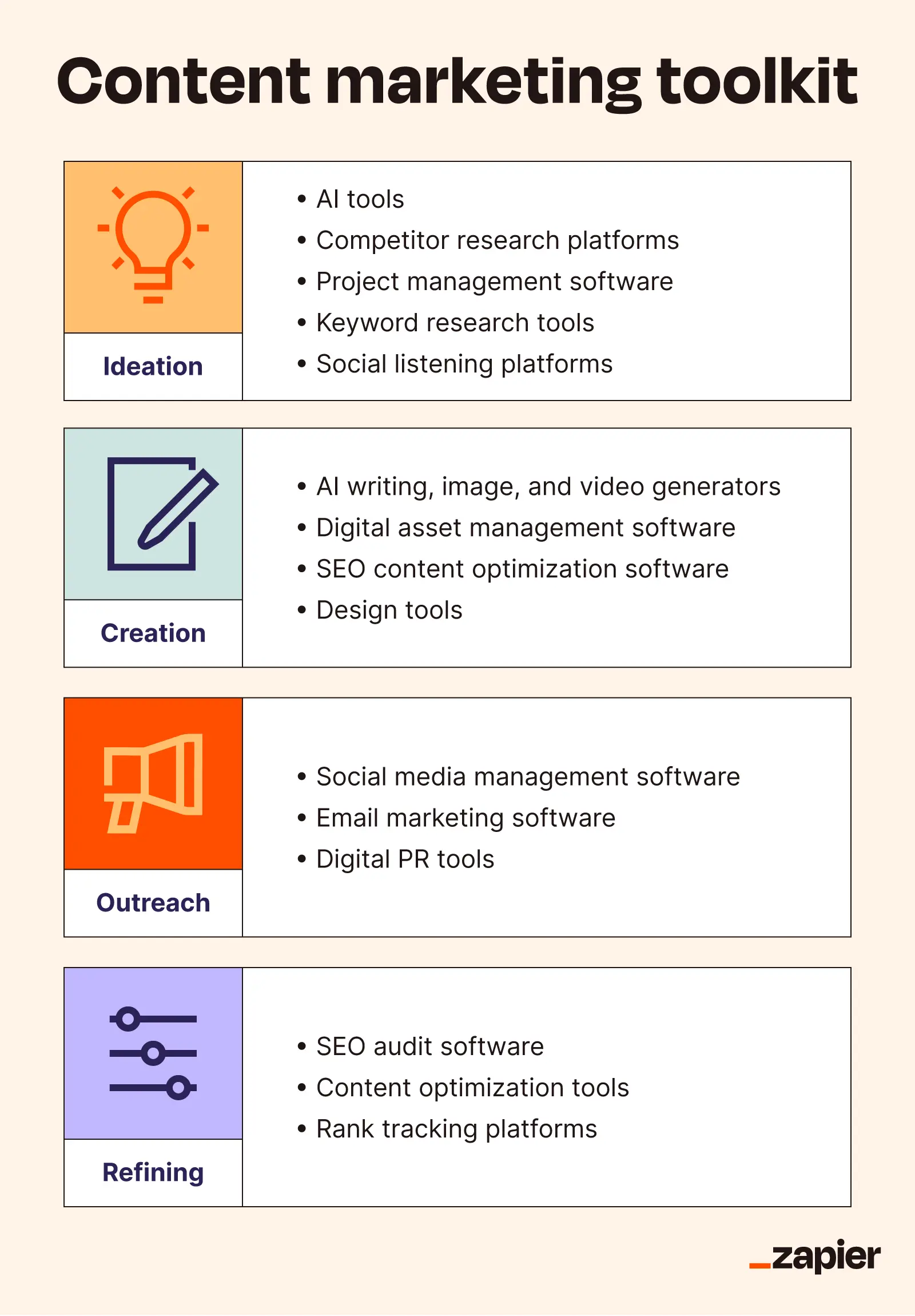
I would start with a simple test — run one workflow for two weeks. During this time, focus on outcomes like fewer mistakes and faster responses. This will give you a clear picture of what works and what does not. Do not be afraid to ditch parts of the process that fail to deliver. Rank Math vs Yoast SEO can be a starting point if you are optimizing for SEO.
Explaining decisions without jargon
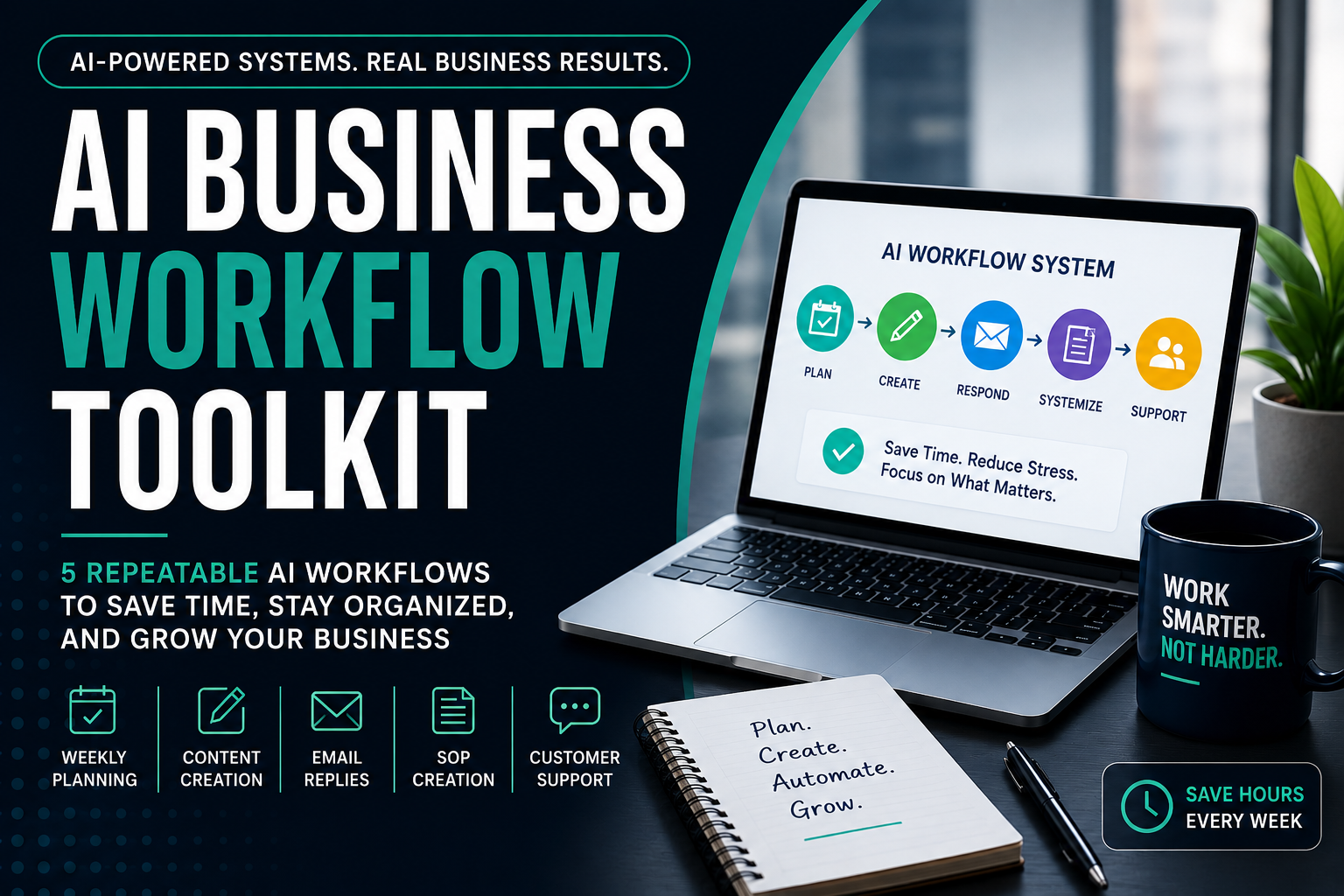
When you make changes, be ready to explain them in plain language. Customers appreciate transparency, and jargon can alienate them. If an AI tool improves your workflow, articulate how it benefits the customer. Does it mean quicker service or clearer pricing? Make sure they know.
Avoiding trends that do not fit
Following AI trends without checking their relevance can lead to wasted time. Always verify whether a new tool aligns with your business goals. Just because something is popular does not mean it is right for you. This is where understanding your specific needs comes in handy.
after that, AI should enhance, not dictate, your content workflow.