I have seen too many people chase trendy business models without knowing what their customers actually need. The latest hype might look useful, but if you cannot explain it to a customer in plain language, it is probably not worth your time.
Focus on understanding your buyer's needs and test one real workflow for two weeks before making any changes. Avoid jargon-heavy models that you cannot explain clearly to your customers.
The mistake most people make here
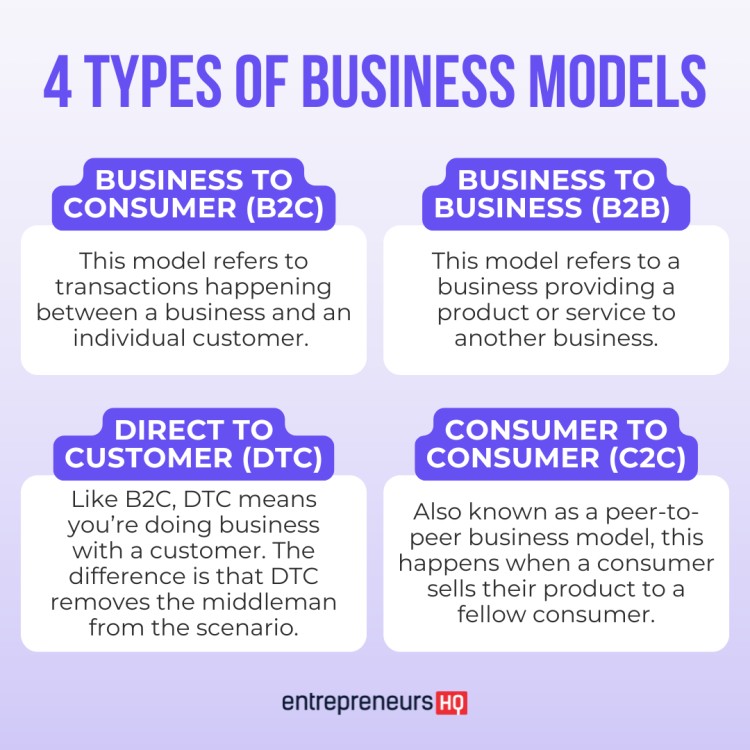
Many jump into new models because they sound innovative. They start with buzzwords and end with confusion. Before adopting any new business model, I would test a real workflow for two weeks. This means actually using the model in practice, not just reading about it. If you cannot see measurable results in that time, it is likely not the right fit.
Understanding the buyer's needs
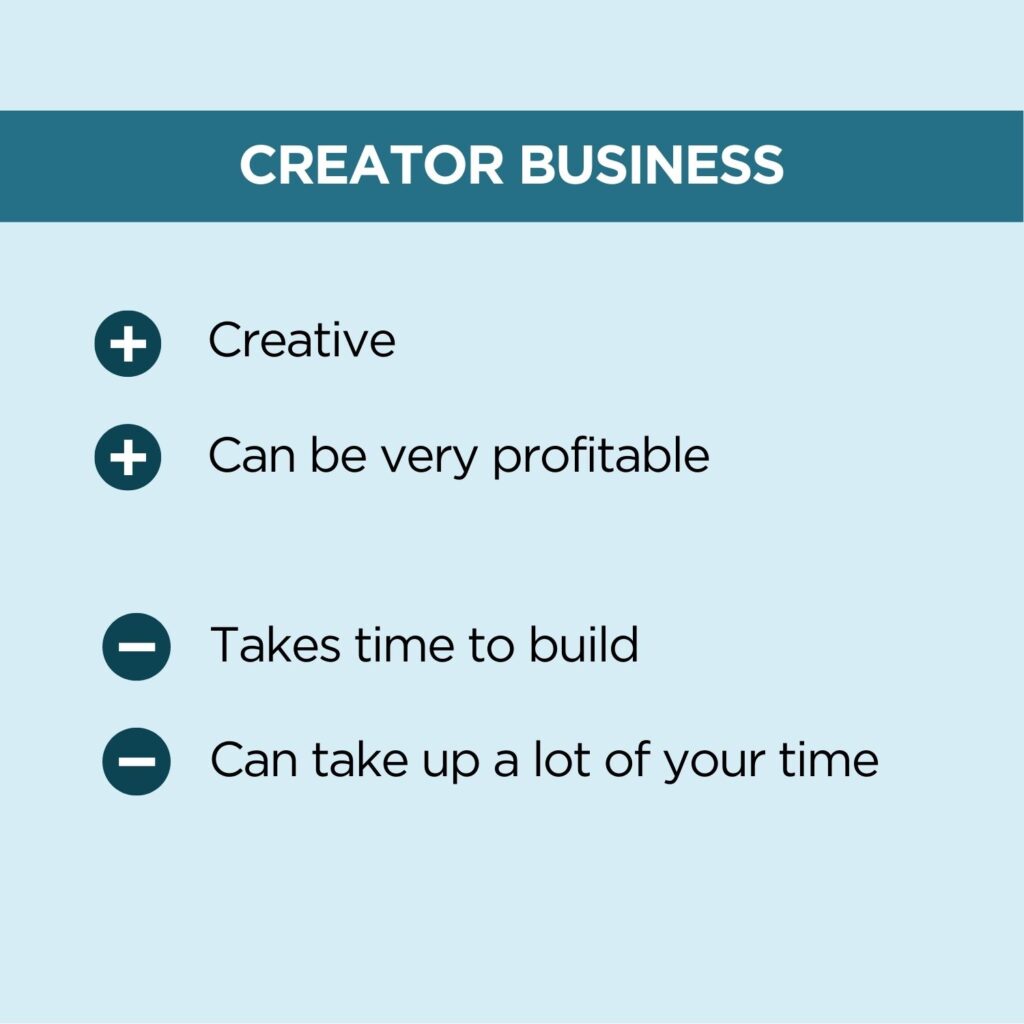
You cannot skip this step. Understanding the buyer and the specific job they are trying to accomplish is critical. Without this, you are just guessing. Ask yourself: what problem does this model solve for them? If you do not have a clear answer, you are not ready to adopt it.
Clear communication is key
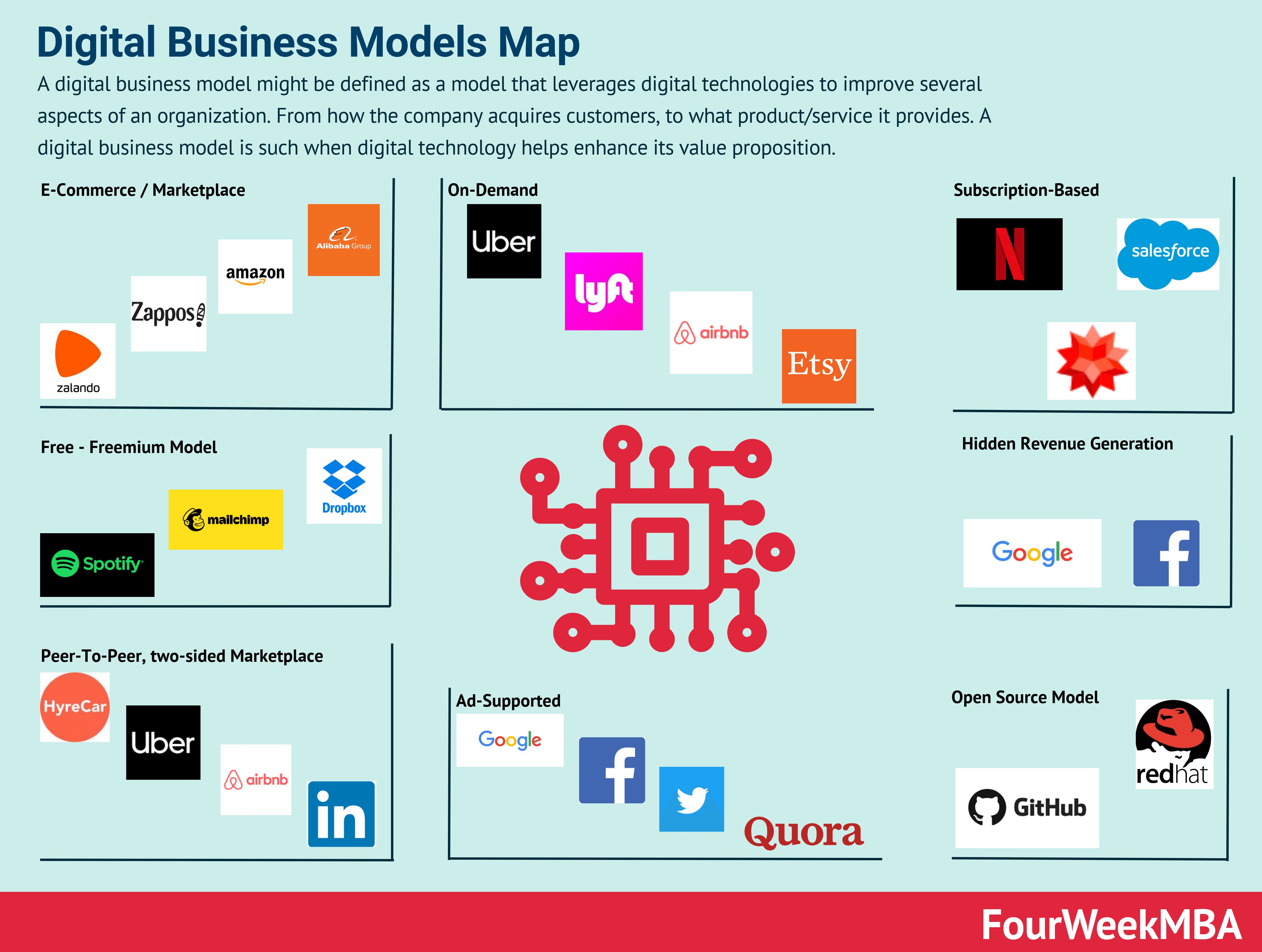
Jargon does not sell. If you cannot explain your model in simple terms, you are in trouble. Customers do not want to feel like they need a dictionary to understand what you are offering. The same applies to the tools you use. If a tool like [Mailchimp](https://mailchimp.com/) or [Stripe](https://stripe.com/) is part of your model, make sure you can explain its role clearly.
Verify before you switch
Before making any changes, verify your existing resources. Sometimes the problem is not the model but how you are using it. Fix any issues first before jumping to something new. This approach saves time and avoids unnecessary complexity.
Always test before you leap.