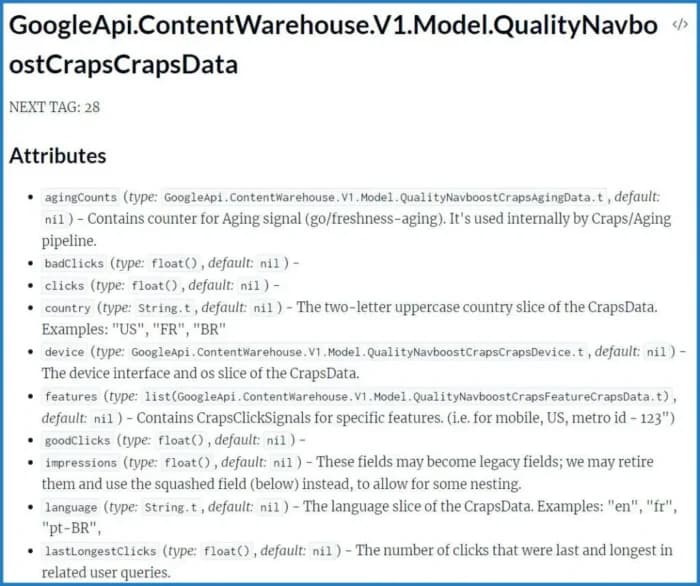
The 2026 Google Search Algorithm Update revealed significant shifts in ranking factors that digital marketers must understand to maintain and improve their search visibility. The leaked API documentation highlights that user engagement signals, such as click data, now play a more crucial role in determining rankings than previously acknowledged. This shift emphasizes the need for brands to build authority and trust outside of Google’s ecosystem, as brand recognition is increasingly influencing organic search performance.
Moreover, the update underscores the importance of high-quality content that aligns with user intent. With Google intensifying its spam enforcement and targeting manipulative SEO practices, marketers must focus on producing authentic, valuable content that meets the evolving standards of E-E-A-T (Experience, Expertise, Authoritativeness, Trustworthiness). This is particularly vital as AI Overviews (AIOs) are reshaping how content is surfaced, requiring a different optimization strategy that prioritizes structured content and topical authority.
For digital marketers, understanding these changes is not just about reacting to algorithm updates but anticipating future shifts. By staying informed about Google's ranking factors and adapting strategies accordingly, marketers can better position themselves against competitors and enhance their overall digital marketing effectiveness.
In the context of the 2026 update, it’s essential to continually audit content quality, user engagement metrics, and backlink profiles, ensuring they align with Google's latest guidelines. Marketers should also consider how their brand's reputation and authority are perceived in the digital landscape, as these elements are becoming increasingly important for maintaining rankings in search results.
Source: Neil Patel Blog.