Tech Revenue Brief
Ecommerce

How to Use AI for Ecommerce Product Copy and PDP SEO

Learn how to effectively use AI for ecommerce product copy and optimize your PDP SEO. Enhance your online store's performance with these actionable steps.

Start Here

TL;DR

  • Select the right AI tool for generating product descriptions.
  • Incorporate SEO best practices into AI-generated content.
  • Conduct human quality assurance to ensure quality and brand alignment.

Plain English

What this means

Select the right AI tool for generating product descriptions. This briefing is written for operators who want a fast read first, then a practical plan—not a generic news recap.

ecommerce briefing

Audience

Who should care

  • Ecommerce operators evaluating their next move
  • Founders and publishers who need a decision framework, not more hype
  • Teams turning search demand into pages, tools, or offers

Scan Path

Answer first, details second

Trust Cue

Source linked for verification

Time Cost

3 min read

In the competitive world of ecommerce, leveraging AI for product descriptions and page optimization can significantly enhance your online store's performance. This guide will walk you through practical steps on how to use AI for ecommerce product copy and improve your product detail page (PDP) SEO effectively.

Quick Answer

To use AI for ecommerce product copy, start by selecting a reliable AI tool that specializes in generating product descriptions. Input your product details, adjust the tone and style as needed, and review the generated content for accuracy before publishing. By optimizing your product pages with AI-generated descriptions, you can enhance your SEO and improve customer engagement.

Step-by-Step Workflow

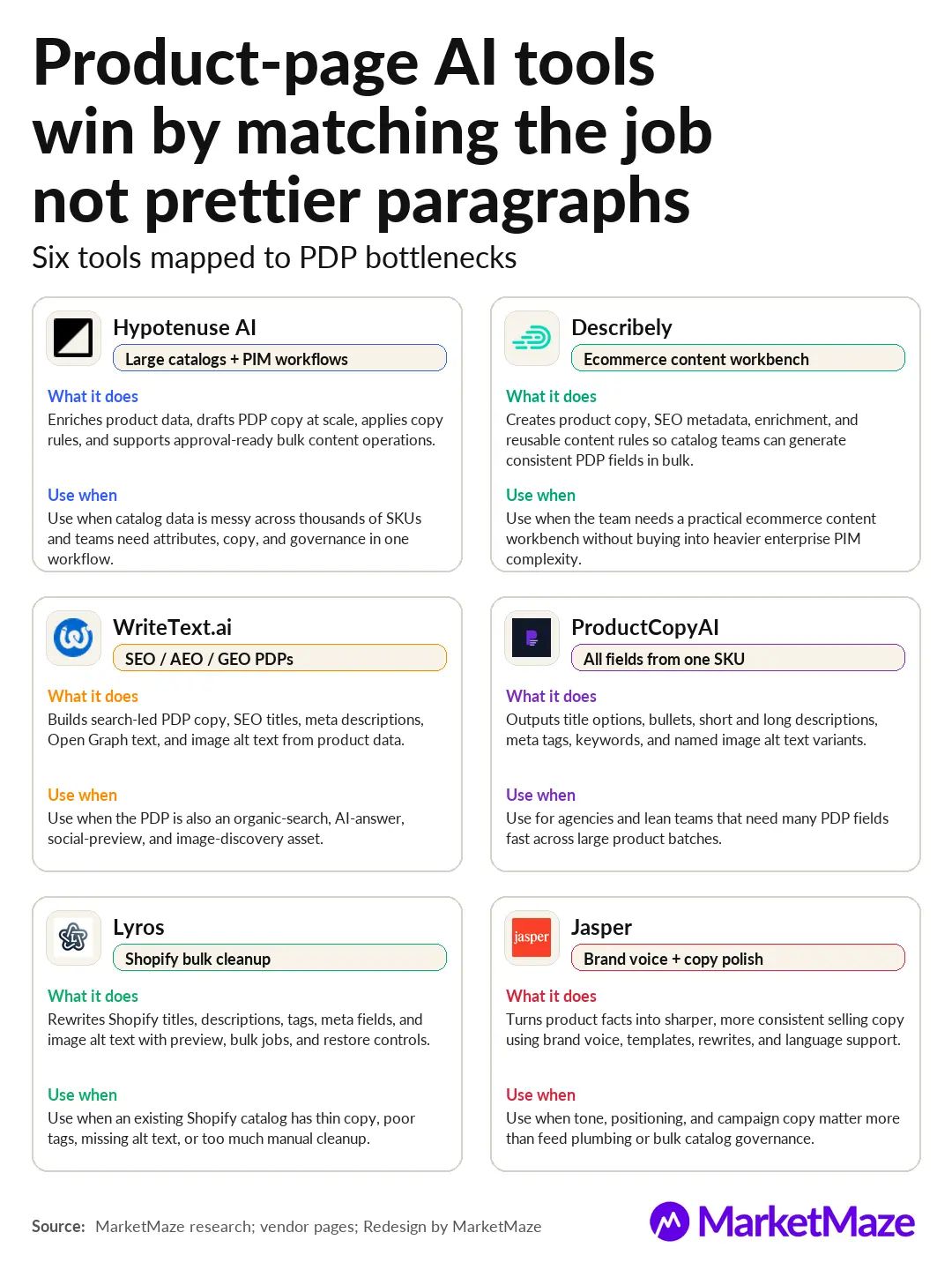
  1. Choose the Right AI Tool: Select an AI tool that fits your needs. Popular options include Jasper, Copy.ai, and Writesonic. Each has unique features tailored for ecommerce.
  2. Gather Product Information: Compile essential details about your products, including specifications, benefits, and target audience. This information will guide the AI in generating relevant content.
  3. Input Data into the AI Tool: Use your chosen AI tool to input product details. Most tools allow you to specify tone, style, and keywords to optimize for SEO.
  4. Generate Product Descriptions: Let the AI generate descriptions. Review the output for clarity, engagement, and accuracy. Adjust any details as necessary to ensure they reflect your brand voice.
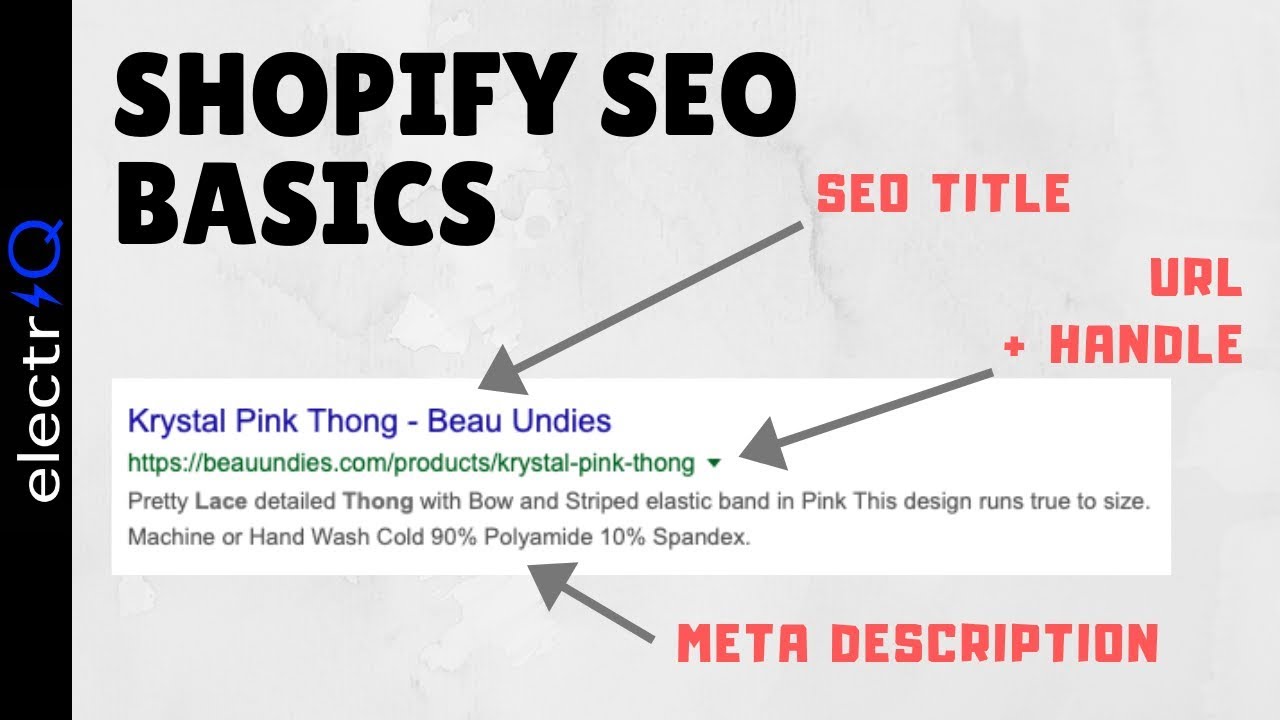
  5. Implement SEO Best Practices: Incorporate relevant keywords naturally into the product descriptions. Use tools like SEMrush or Ahrefs to find effective keywords.
  6. Add Structured Data: Implement schema markup to help search engines understand your product pages better. This can improve visibility in search results.
  7. Human Quality Assurance: Before publishing, have a team member review the AI-generated content to ensure it meets quality standards and aligns with your brand messaging.
  8. Monitor Performance: After publishing, track the performance of your product pages using analytics tools. Adjust your strategy based on what works best.

Common Mistakes

  • Over-Reliance on AI: While AI can generate content, it should not replace human oversight. Always review and edit AI-generated copy.
  • Neglecting SEO: Failing to incorporate SEO best practices can lead to missed opportunities for organic traffic. Ensure keywords are included naturally.
  • Ignoring Brand Voice: AI may produce generic content. It's crucial to infuse your brand's unique voice into the descriptions.

Checklist for Using AI in Ecommerce Product Copy

  • [ ] Select an AI tool that fits your needs.
  • [ ] Gather comprehensive product information.
  • [ ] Input data and generate descriptions.
  • [ ] Review and edit for clarity and engagement.
  • [ ] Incorporate SEO keywords and structured data.
  • [ ] Conduct human quality assurance.
  • [ ] Monitor and adjust based on performance metrics.

FAQ

What is AI product copywriting? AI product copywriting refers to the use of artificial intelligence tools to generate product descriptions and related content for ecommerce websites.

How can AI improve my ecommerce product descriptions? AI can create engaging, optimized product descriptions quickly, saving time and ensuring consistency across your product listings.

What are the best AI tools for ecommerce SEO? Some popular AI tools for ecommerce SEO include Jasper, Copy.ai, and Writesonic, each offering unique features for product copy generation.

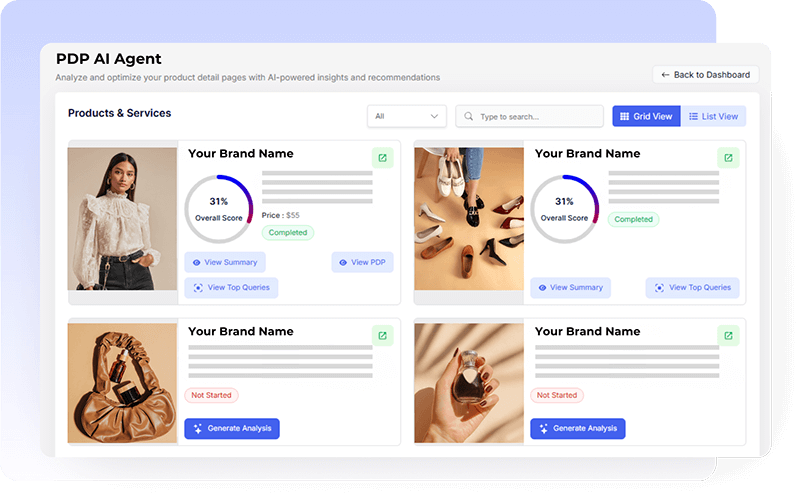
Can AI help with product page optimization? Yes, AI can assist in optimizing product pages by generating SEO-friendly descriptions and suggesting keywords to improve search visibility.

By following these steps and avoiding common pitfalls, you can effectively use AI to enhance your ecommerce product descriptions and improve your PDP SEO.

Source: Tech Revenue Brief Editorial.

Tools mentioned in this guide

Operator take

What we would do

We would model margin after fees, returns, and ad spend before scaling traffic. Traffic without contribution margin is just expensive attention.

Example

Example: DTC store evaluating checkout friction

Setup

Mobile add-to-cart is strong, but checkout completion drops 18% vs desktop.

What we would do next

Simplify payment options and shipping clarity on mobile first. That often beats another top-of-funnel campaign.

Action plan

What we would test first

  1. 1Run one real task end-to-end and log time saved vs review time added.
  2. 2Compare total monthly cost at your realistic usage tier.
  3. 3Check whether output quality is good enough to ship without heavy editing.

Watch out

Mistakes to avoid

  1. 1Publishing a summary without a clear recommendation or next step.
  2. 2Chasing every related keyword instead of one primary page job.
  3. 3Ignoring Search Console or analytics when the topic is search-driven.
  4. 4Switching tools before measuring whether the old workflow was the real bottleneck.
  5. 5Assuming token-based pricing will match your actual usage pattern.

Next steps

Turn this into action