An executive order is a directive issued by the President of the United States to manage the operations of the federal government. These orders have the force of law and are used to direct government agencies and officials in their execution of laws and policies. Recent discussions around executive orders have surged, particularly in light of various high-profile orders affecting voting and other critical issues.
Quick Answer
Executive orders are legally binding directives from the President, used to manage federal operations. They can influence significant policies, such as immigration and voting rights.
What is an Executive Order?
An executive order is a tool that allows the President to implement and enforce laws without needing Congressional approval. This can include a wide range of actions, from administrative changes to national security measures. The legal basis for executive orders comes from the Constitution and federal statutes, which grant the President authority to ensure that laws are faithfully executed.
How Are Executive Orders Created?
The process of creating an executive order typically involves several steps: 1. Drafting: The President, often with the help of advisors and legal counsel, drafts the order. 2. Review: The order is reviewed for legal compliance and potential impacts. 3. Signing: Once finalized, the President signs the order, making it official. 4. Publication: The order is published in the Federal Register, where it becomes part of the public record.
Why Are Executive Orders Trending Now?
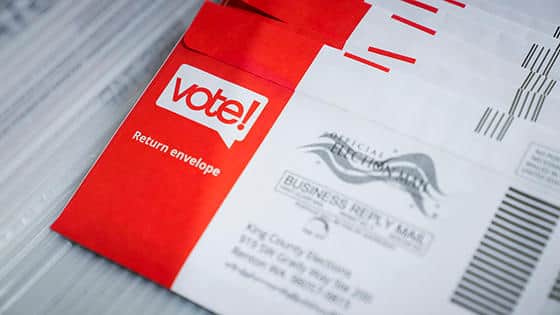
Interest in executive orders has intensified recently due to high-profile cases, such as those related to voting rights. For instance, recent executive orders by former President Trump aimed at limiting mail-in voting have drawn significant public and media attention. This has led to legal challenges and discussions about the implications of such orders on democracy and federal regulations.
Examples of Executive Orders in U.S. History
Throughout history, executive orders have played crucial roles in shaping U.S. policy. Notable examples include: - Executive Order 9066: Issued during World War II, it authorized the internment of Japanese Americans. - Executive Order 9981: Signed by President Truman, it desegregated the armed forces. - Executive Order 13769: Often referred to as the "travel ban," it restricted entry into the U.S. from several predominantly Muslim countries.
Can an Executive Order Be Overturned?
Yes, executive orders can be challenged and overturned. This can happen through: - Judicial Review: Courts can rule an executive order unconstitutional or unlawful. - Legislation: Congress can pass laws that counteract the effects of an executive order. - Subsequent Orders: A new president can issue an executive order to revoke or modify a previous one.
What to Watch Next
As the political landscape evolves, keep an eye on how executive orders are utilized in upcoming administrations. The implications of these orders can significantly affect various aspects of governance, including healthcare, immigration, and environmental regulations. Additionally, understanding the legal challenges that arise from controversial orders can provide insight into the balance of power between branches of government.
FAQ
What is an executive order?
An executive order is a directive issued by the President to manage the federal government, having the force of law.
How does an executive order differ from a law?
Unlike laws passed by Congress, executive orders do not require legislative approval but can have similar legal effects.
Can an executive order be overturned?
Yes, executive orders can be challenged in court, overridden by new legislation, or rescinded by subsequent executive orders.
What are some famous executive orders?
Famous executive orders include those that desegregated the military and those that established internment camps during WWII.
How are executive orders created?
They are drafted by the President, reviewed for legality, signed, and then published in the Federal Register for public record.
Who can issue an executive order?
Only the President of the United States has the authority to issue executive orders.
What is the purpose of an executive order?
Executive orders are intended to direct federal agencies in how to implement laws and policies effectively.
Are executive orders legally binding?
Yes, executive orders are legally binding and must be followed by federal agencies unless overturned by a court or a new order.
For further exploration of executive orders and their implications, visit our executive order process explained page.
Source: Google Trends.