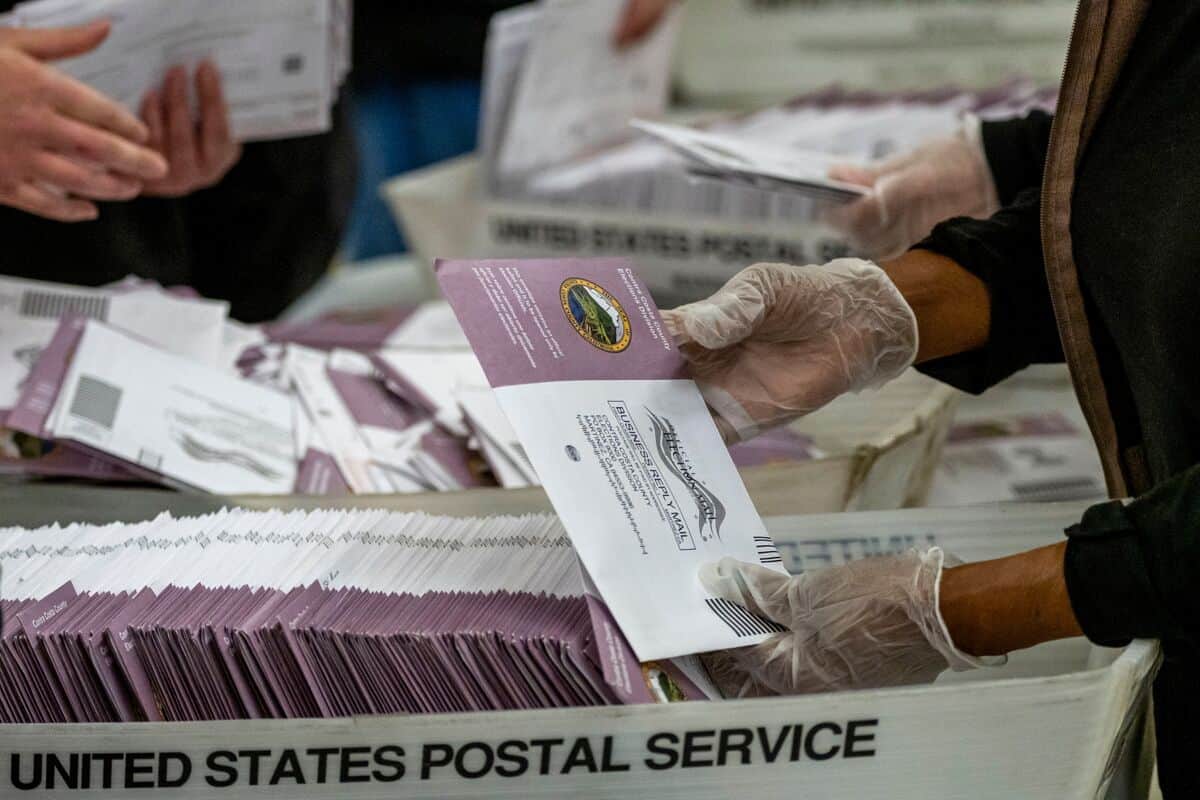
The recent spike in searches for the "mail-in voting executive order" is largely due to ongoing legal battles and discussions surrounding mail-in voting regulations. This executive order, primarily associated with former President Trump's administration, has significant implications for how voters can cast their ballots in upcoming elections. As states navigate these changes, understanding the order's impact is crucial for voters.
Quick Answer
The mail-in voting executive order alters the regulations surrounding mail-in ballots, affecting how and when voters can submit their votes. This has become a hot topic as various states implement or challenge these guidelines, influencing voter access and election integrity.
What is a Mail-In Voting Executive Order?
A mail-in voting executive order is a directive issued by a government official, often at the state or federal level, that establishes rules for mail-in voting. These orders can dictate the procedures for requesting ballots, submission deadlines, and eligibility criteria. Currently, the executive order associated with mail-in voting has been a focal point in court cases, with recent rulings allowing certain restrictions to remain in place.
Why Are Searches Spiking? 📈
Interest in the mail-in voting executive order has surged due to several factors:
1. Legal Challenges: Recent court rulings have upheld parts of the executive order, prompting voters to seek clarity on how these decisions affect their voting rights.
2. Upcoming Elections: With elections approaching, voters are eager to understand how changes in mail-in voting policies will impact their ability to participate.
3. Political Climate: The ongoing discussions about election integrity and access to voting have made this topic particularly relevant, leading to increased public interest.
Practical Context: What Voters Should Know
How to Verify Key Facts
To stay informed about the mail-in voting executive order, voters should consult official state election websites or trusted news sources like NPR, The Washington Post, and Bloomberg. These platforms provide updates on legal challenges, deadlines, and procedural changes.
State-Specific Mail-In Voting Executive Orders
Each state may have different regulations regarding mail-in voting. It's essential for voters to check their state's election office for specific guidelines, including:
- Deadlines for requesting and submitting mail-in ballots
- Eligibility requirements
- Tracking options for mail-in ballots
What to Watch Next
As the legal landscape around mail-in voting continues to evolve, keep an eye on:
- Court rulings: Future decisions could further alter mail-in voting regulations.
- State responses: Watch how different states adapt to or resist the executive order's implications.
- Public opinion: Voter sentiment may shift based on how these changes affect access to voting.
FAQ
What is a mail-in voting executive order?
A mail-in voting executive order is a directive that sets rules for mail-in voting, including how ballots can be requested and submitted.
How does the mail-in voting executive order affect voters?
It impacts the procedures and deadlines for mail-in voting, which can vary by state, affecting voter access and participation.
Are there deadlines for mail-in voting under the executive order?
Yes, each state establishes its own deadlines for requesting and submitting mail-in ballots, which can be found on state election websites.
What states have implemented mail-in voting executive orders?
Many states have their own mail-in voting regulations, and some have adopted executive orders that align with or challenge federal guidelines. Voters should check their local election offices for specific information.
Can I track my mail-in ballot under the executive order?
Most states provide tracking options for mail-in ballots, allowing voters to confirm that their ballots have been received and counted.
What are the benefits of mail-in voting according to the executive order?
Mail-in voting can increase accessibility for voters, allowing those unable to vote in person due to health, mobility, or scheduling issues to participate in elections.
How do I apply for mail-in voting as per the executive order?
Voters should visit their state election office's website to find the application process for mail-in voting, which typically involves filling out a form and providing identification if required.
Make sure to check reliable sources for the latest updates and guidance.
Source: Google Trends.