Analyzing SERP intent before writing content isn't just a checkbox exercise. I've seen too many businesses churn out content without understanding what users actually want. This leads to pages that don't rank or convert.
Start by examining the top search results in a private browser. Focus on the format, depth, and freshness of these results to understand what Google favors. Match your content to the query's job, not just your content calendar.
The mistake most people make here
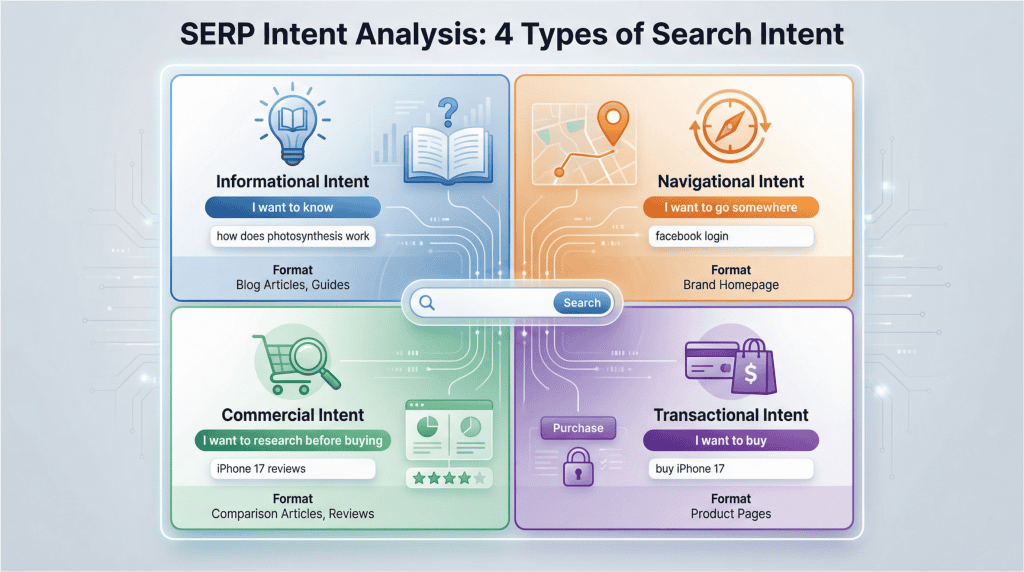
Most people jump into writing without checking what type of content is already ranking. It's not about copying those pages but understanding why they rank. For example, if the top results are all listicles, a deep-dive guide might not be the best fit. [Google Analytics](https://analytics.google.com/) 4 vs Plausible can help you track how different types of content perform.
Use private browsing for unbiased results
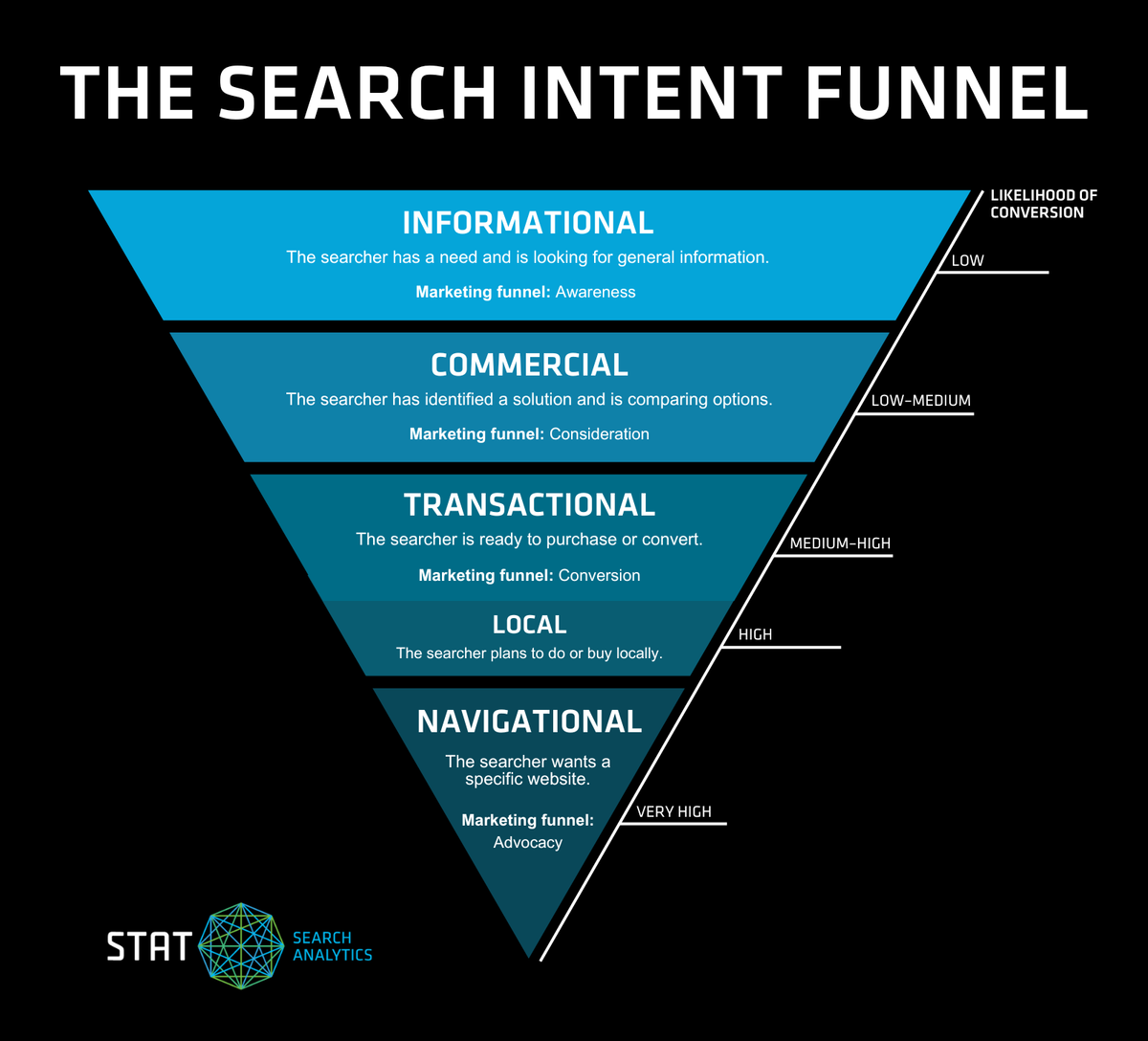
Always analyze SERP in a private browser session. Personalized results can skew your understanding of user intent. Check the top five results for format and brand dominance. If you see the same brand dominating, it might be challenging to break in without a unique angle.
use 'People Also Ask' and related searches

These sections are gold mines for understanding what users are curious about. They can help you refine your content to address related queries without overwhelming your main topic. Tools like the [Blog Title Generator](https://techrevenuebrief.com/blog-title-generator) can help you craft compelling headlines that capture these nuances.
Match content to the query's job
The key is to understand the job the query is trying to accomplish. If users want a quick answer, a lengthy article won't cut it. Use the [Meta Description Generator](https://techrevenuebrief.com/meta-description-generator) to ensure your snippets align with what searchers need.
Don't just publish—analyze first, then create content that fits the user's intent.