I would not run an AI citation audit before fixing whether the page deserves to be cited. Models quote clear, factual, well-structured content. They skip fluff.
Fair point.
Most teams skip this because it feels boring, then wonder why the dashboard looks fine while the pipeline stays quiet and nobody can name the page that actually moved a buyer to act.
FAQ
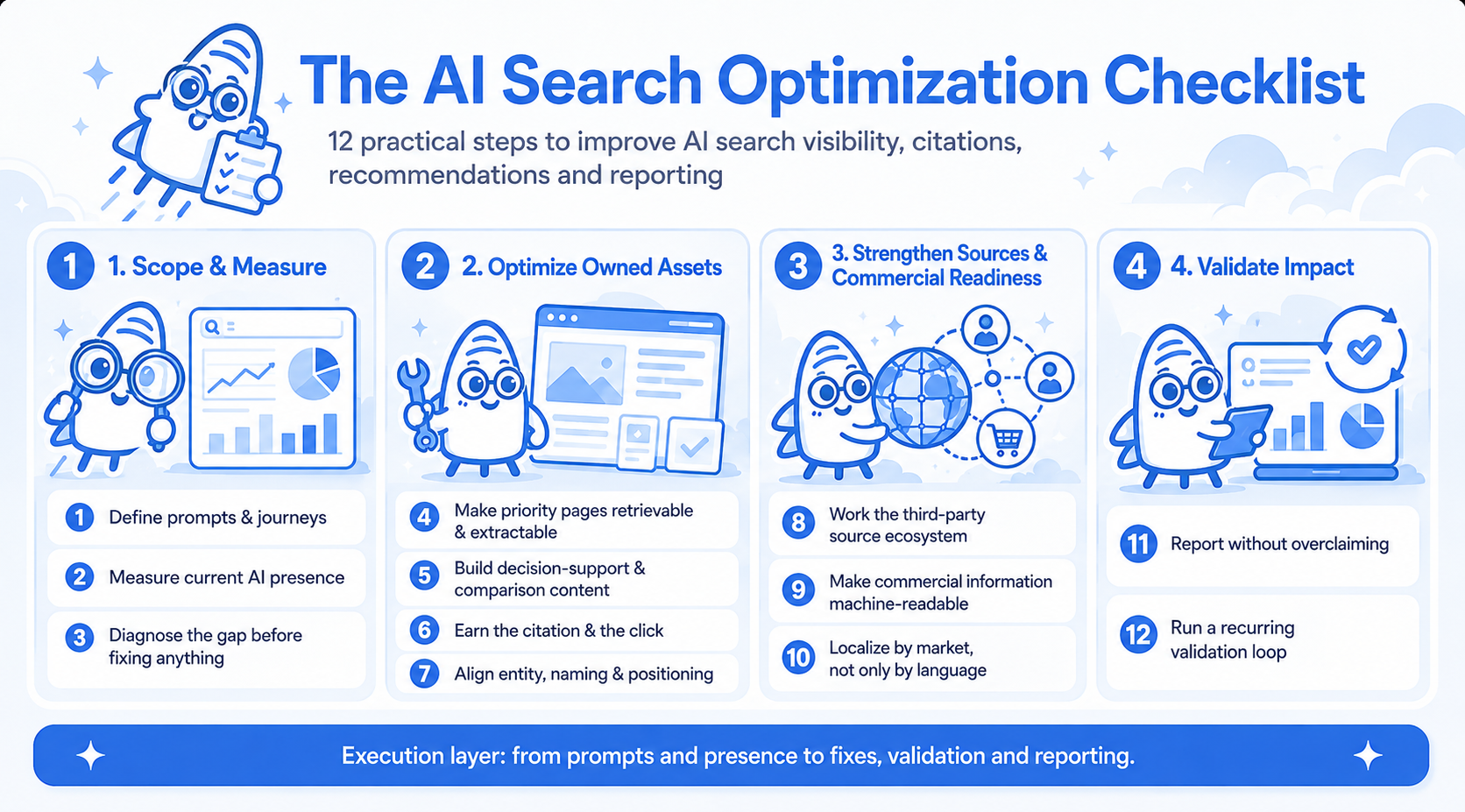
What factors influence AI tools to reference content? AI tools prefer content that is clear, factual, and well-structured, with credible sources and relevant keywords.
How can I make my content more appealing to AI tools? Focus on clarity, structure, and factual accuracy. Use headings that match common queries and ensure your content is optimized for SEO.
What types of content are most often referenced by AI? Content that answers specific questions, provides valuable insights, and is well-researched tends to be referenced more frequently by AI tools.
How does SEO affect AI content referencing? SEO plays a crucial role in improving the visibility of your content, making it more likely to be discovered and referenced by AI tools.zed for SEO.
What types of content are most often referenced by AI? Content that answers specific questions, provides valuable insights, and is well-researched tends to be referenced more frequently by AI tools.
How does SEO affect AI content referencing? SEO plays a crucial role in improving the visibility of your content, making it more likely to be discovered and referenced by AI tools.
To make your content more likely to be referenced by AI tools, focus on creating clear, factual, and well-structured content. Ensure that your facts are supported by credible sources, and that your content answers specific questions effectively. Additionally, optimizing for SEO can significantly improve your content's visibility and referencing potential.zing for SEO can significantly improve your content's visibility and referencing potential.
Audit what matters

Do money pages state claims plainly?
Are stats sourced?
Do headings match questions people ask?
Is there duplicate confusion across URLs?
Technical hygiene

Clean HTML, accessible titles, reasonable load times.
Not magic, still table stakes.
Track reality
Brand search, referral patterns, queries where you appear in AI overviews if tools show it.
Do not obsess over vanity citation counts.
Earn citations by being the most straightforward page on a topic you actually know. Everything else is audit theater.