Tech Revenue Brief
Startups

Best AI Tools for Solo Founders in 2026 (Stack, Not Hype)

Discover the best AI tools for solo founders in 2026 to boost productivity and streamline operations. Explore coding, writing, design, and analytics solutions.

Start Here

TL;DR

  • Focus on a curated stack of AI tools that directly address your specific needs as a solo founder.
  • Regularly evaluate and adjust your tool usage to ensure maximum efficiency and integration.
  • Take advantage of free trials to find the best fit for your workflow without financial commitment.

Plain English

What this means

Focus on a curated stack of AI tools that directly address your specific needs as a solo founder. This briefing is written for operators who want a fast read first, then a practical plan—not a generic news recap.

startups briefing

Audience

Who should care

  • Startups operators evaluating their next move
  • Founders and publishers who need a decision framework, not more hype
  • Teams turning search demand into pages, tools, or offers

Scan Path

Answer first, details second

Trust Cue

Source linked for verification

Time Cost

3 min read

Solo founders face unique challenges, and leveraging AI tools can significantly enhance productivity and efficiency. In 2026, the best AI tools for solo founders include options for coding, writing, design, and analytics, each tailored to specific tasks that help streamline operations and foster growth.

Quick Answer 🤖

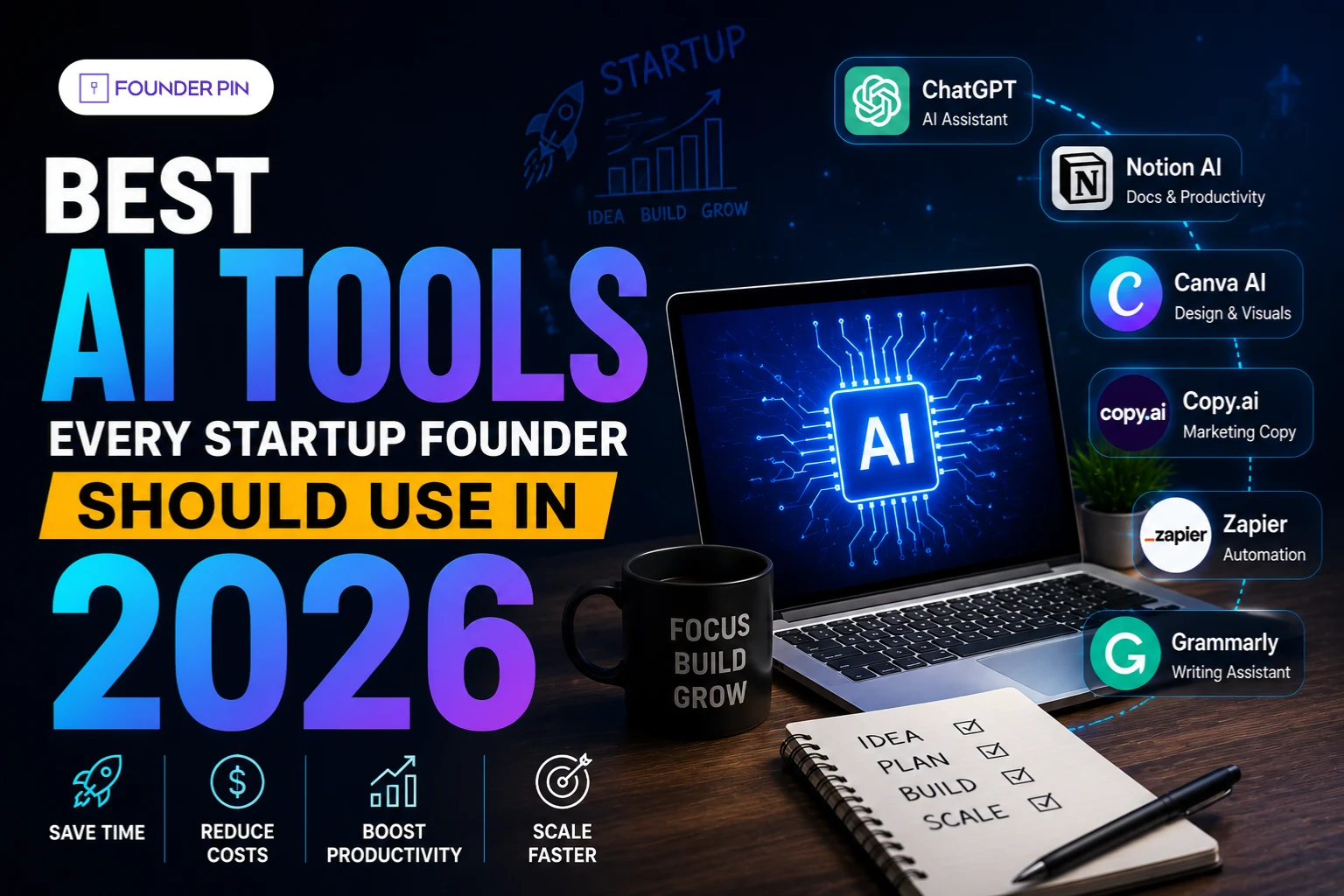
The best AI tools for solo founders in 2026 are designed to address specific needs, such as coding (Cursor), writing (ChatGPT/Claude), design (Canva), and analytics (Google Analytics). These tools can help you automate tasks, improve content quality, and analyze data effectively, making your workflow smoother and more efficient.

Step-by-Step Workflow

  1. Identify Your Needs: Determine the areas where you require assistance—coding, writing, design, or analytics.
  2. Research Tools: Explore options like Cursor for coding, ChatGPT or Claude for writing, Canva for design, and Google Analytics for data insights.
  3. Trial and Error: Sign up for free trials or demo versions of these tools to assess their fit for your workflow.
  4. Integration: Ensure that the tools you choose can integrate with your existing systems (e.g., project management software).
  5. Set Up Workflows: Create specific workflows using the tools. For example, use ChatGPT to draft blog posts and Canva to design visuals.
  6. Monitor Performance: Use analytics tools to track the effectiveness of your content and adjust strategies accordingly.
  7. Iterate: Regularly revisit your tool stack to adapt to changing needs and emerging technologies.

Common Mistakes

  • Overloading on Tools: Avoid using too many tools at once, which can complicate your workflow. Stick to a curated stack that meets your specific needs.
  • Neglecting Integration: Failing to ensure that your tools work well together can lead to inefficiencies. Check compatibility before committing.
  • Ignoring User Feedback: If a tool isn’t working for you, seek alternatives rather than forcing it into your process.

Checklist for Choosing AI Tools

  • Does the tool address a specific need in your workflow?
  • Is it user-friendly and easy to integrate?
  • Does it offer a free trial or demo?
  • Are there positive reviews or testimonials from other solo founders?

FAQ

What are the best AI tools for solo founders in 2026? The best AI tools include Cursor for coding, ChatGPT/Claude for writing, Canva for design, and Google Analytics for analytics.

How can AI tools help solo entrepreneurs? AI tools can automate repetitive tasks, enhance content quality, and provide valuable insights, allowing solo entrepreneurs to focus on growth.

What features should I look for in AI tools for startups? Look for user-friendliness, integration capabilities, specific functionalities that meet your needs, and positive user feedback.

Are there free AI tools for solo founders? Yes, many AI tools offer free versions or trials, such as ChatGPT and Canva, which can be beneficial for solo founders on a budget.

Key Takeaways

  • Focus on a curated stack of AI tools that directly address your specific needs as a solo founder.
  • Regularly evaluate and adjust your tool usage to ensure maximum efficiency and integration.
  • Take advantage of free trials to find the best fit for your workflow without financial commitment.
  • Avoid overloading on tools to maintain a streamlined workflow.

Source: Tech Revenue Brief Editorial.

Tools mentioned in this guide

- ChatGPT vs Claude

Operator take

What we would do

We would validate one distribution channel and one monetization path before adding more tools to the stack.

Example

Example: early SaaS choosing a billing stack

Setup

A 200-customer product needs subscriptions, tax handling, and a simple upgrade path.

What we would do next

Pick the stack that reduces finance ops time, not the one with the flashiest feature list.

Action plan

What we would test first

  1. 1Run one real task end-to-end and log time saved vs review time added.
  2. 2Compare total monthly cost at your realistic usage tier.
  3. 3Check whether output quality is good enough to ship without heavy editing.

Watch out

Mistakes to avoid

  1. 1Publishing a summary without a clear recommendation or next step.
  2. 2Chasing every related keyword instead of one primary page job.
  3. 3Ignoring Search Console or analytics when the topic is search-driven.
  4. 4Switching tools before measuring whether the old workflow was the real bottleneck.
  5. 5Assuming token-based pricing will match your actual usage pattern.

Next steps

Turn this into action