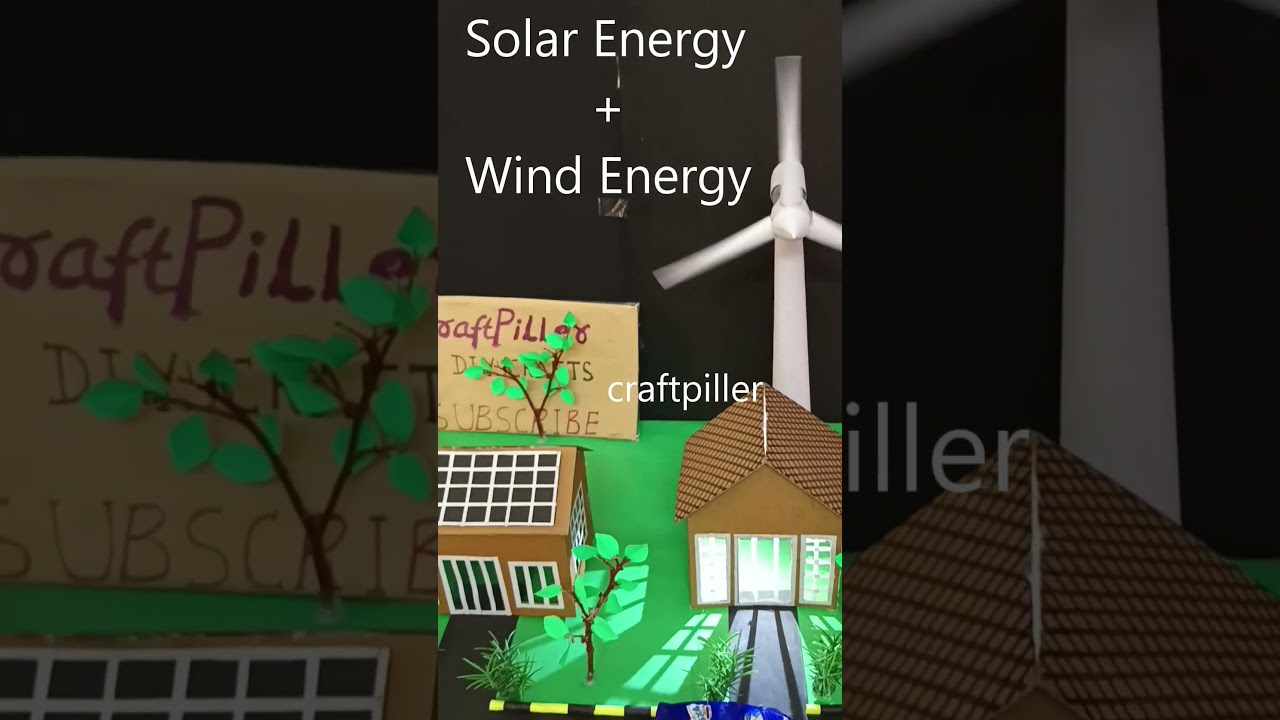
India is facing a significant power crisis, and innovative rooftop and floating solar solutions present a promising avenue for alleviation. With the increasing demand for electricity and the need for sustainable energy sources, these solar technologies can help startups and entrepreneurs harness renewable energy effectively. This guide will detail how these solutions work, their benefits, and practical steps for implementation.
Quick Answer
Rooftop and floating solar solutions can play a critical role in alleviating India's power crisis by providing sustainable and cost-effective energy alternatives. These systems allow businesses and individuals to generate their own electricity, reduce dependency on traditional power sources, and contribute to environmental sustainability.
Understanding Rooftop and Floating Solar Solutions 🌞
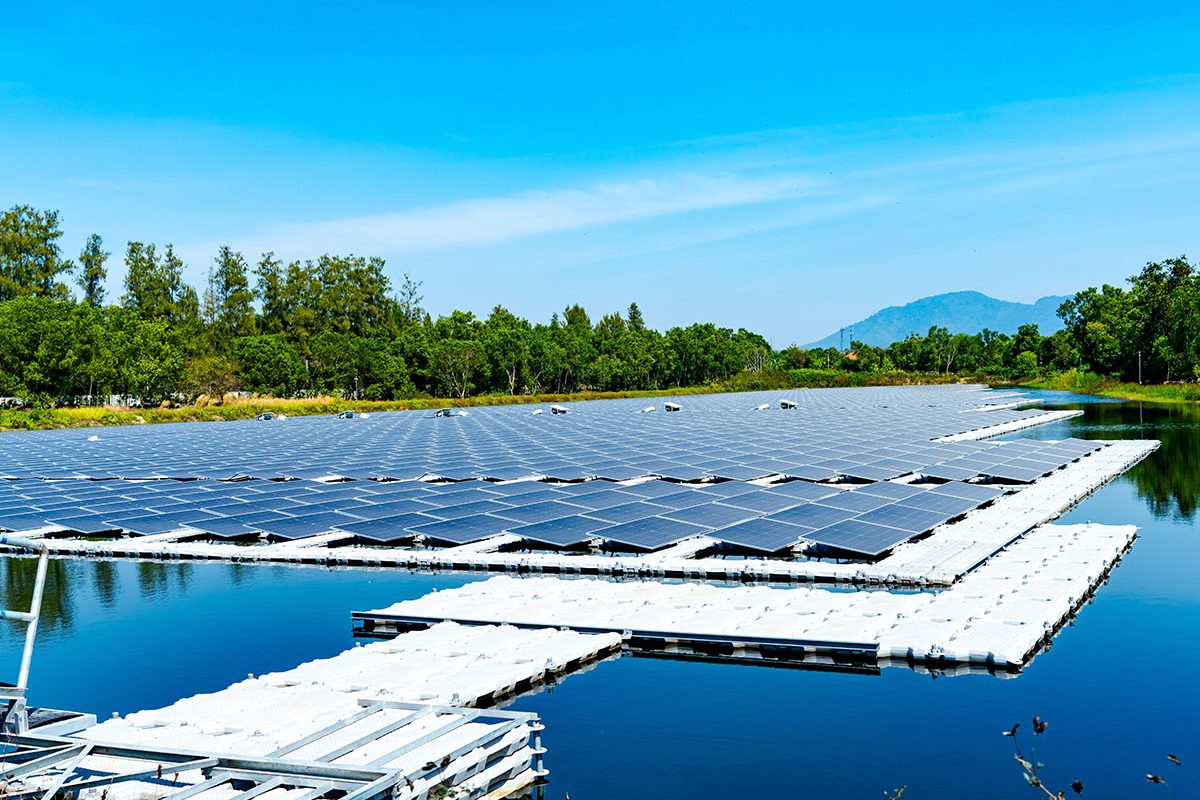
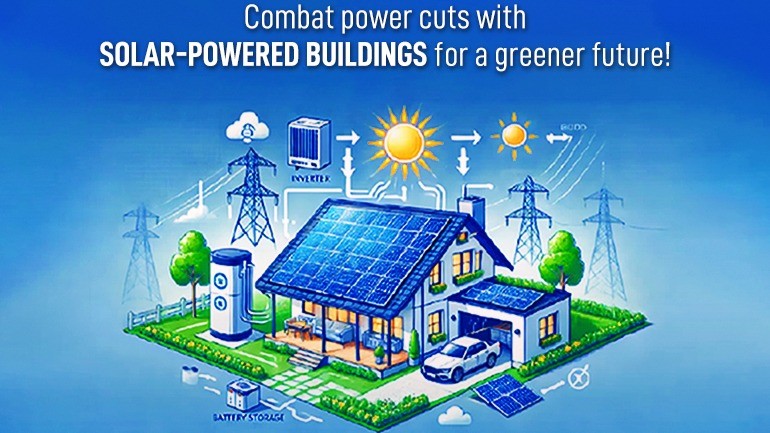
Rooftop solar panels are installed on the roofs of buildings, allowing users to generate electricity from sunlight. In contrast, floating solar panels are installed on bodies of water, such as lakes and reservoirs, maximizing space usage and reducing evaporation.
Benefits of Rooftop Solar in India
- Cost Savings: Reduces electricity bills significantly.
- Energy Independence: Decreases reliance on grid power.
- Environmental Impact: Lowers carbon footprint and promotes sustainability.
Benefits of Floating Solar Technology in India
- Space Efficiency: Utilizes otherwise unused water surfaces.
- Cooling Effect: Water bodies help keep panels cooler, increasing efficiency.
- Reduced Evaporation: Helps conserve water resources in arid regions.
Step-by-Step Workflow for Implementation
- Assess Energy Needs: Determine the amount of energy your business requires.
- Evaluate Site Suitability: For rooftop systems, check roof condition and orientation. For floating systems, assess water body size and depth.
- Select Technology: Choose between rooftop and floating solar based on your needs and site evaluation.
- Consult with Experts: Engage with solar energy consultants to design the system.
- Obtain Necessary Permits: Ensure compliance with local regulations.
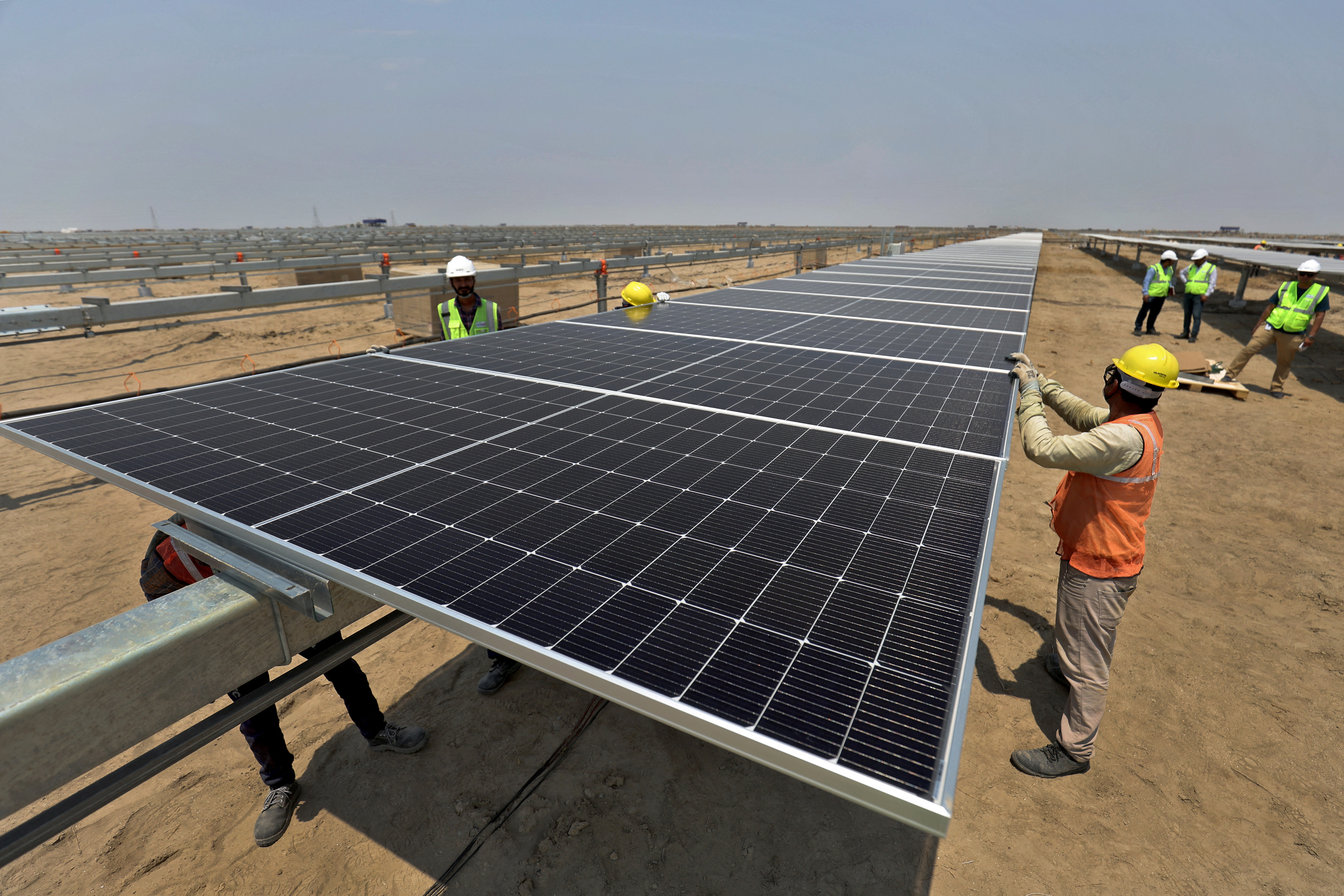
- Installation: Hire qualified professionals for installation.
- Monitor Performance: Regularly check system performance and maintenance needs.
Common Mistakes to Avoid
- Ignoring Local Regulations: Always check for permits and regulations before installation.
- Underestimating Maintenance: Regular maintenance is crucial for optimal performance.
- Overlooking Financial Incentives: Research government incentives or subsidies available for solar installations.
Checklist for Choosing Between Rooftop and Floating Solar
- Space Availability: Do you have adequate rooftop space, or is there a suitable water body?
- Budget Considerations: What is your budget for installation and maintenance?
- Long-term Goals: Are you looking for a permanent solution, or is this a temporary measure?
- Environmental Impact: Consider the ecological implications of both options.
FAQ
What are rooftop solar solutions? Rooftop solar solutions involve the installation of solar panels on the rooftops of buildings to generate electricity from sunlight.
How do floating solar panels work? Floating solar panels are mounted on platforms that float on water bodies, capturing sunlight and converting it into electricity while minimizing land use.
Can solar energy alleviate India's power crisis? Yes, by providing decentralized energy generation, solar energy can significantly reduce the strain on India's power grid.
What are the benefits of rooftop solar in India? Rooftop solar offers cost savings, energy independence, and a reduced carbon footprint, making it an attractive option for many.
By leveraging rooftop and floating solar solutions, startups and entrepreneurs in India can not only address the ongoing power crisis but also contribute positively to the environment. As technology evolves, these solutions will become even more effective and accessible.
Source: Tech Revenue Brief Editorial.