Notion AI sounds like the tool every startup should jump on, but I would not rush into it without a plan. The promise of AI-driven documentation can be tempting, but you need to know what you're really trying to solve first.
Start with a specific workflow and test it in Notion AI for two weeks. Focus on a real job that needs doing, and see if AI actually helps or just adds noise. Do not reshape your entire documentation process based on AI trends without clear benefits.
The mistake is jumping on the AI bandwagon
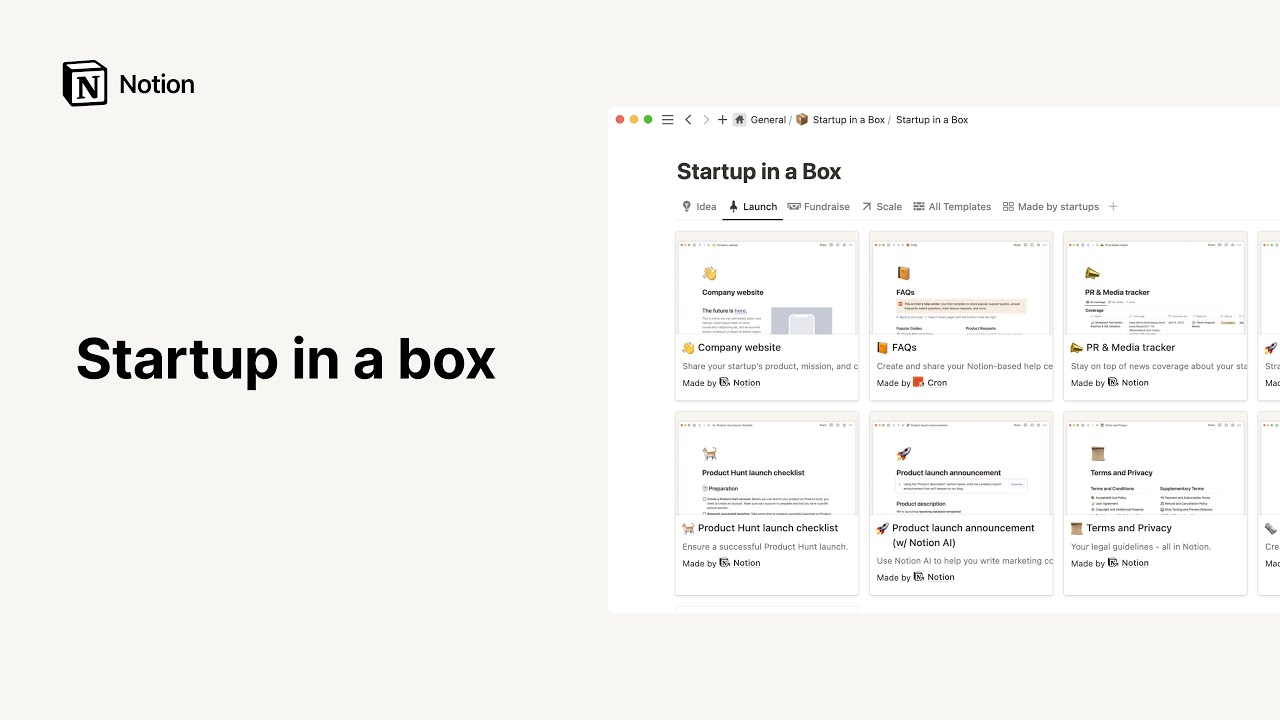
Many startups hear "AI" and think they need to overhaul everything. I would not advise that. Before diving into Notion AI, verify the job you want it to handle. Is it about organizing operator manuals, or are you just following a trend? Test one workflow, and if it doesn't improve clarity or utility, it might not be worth the hype.
Testing Notion AI in real workflows
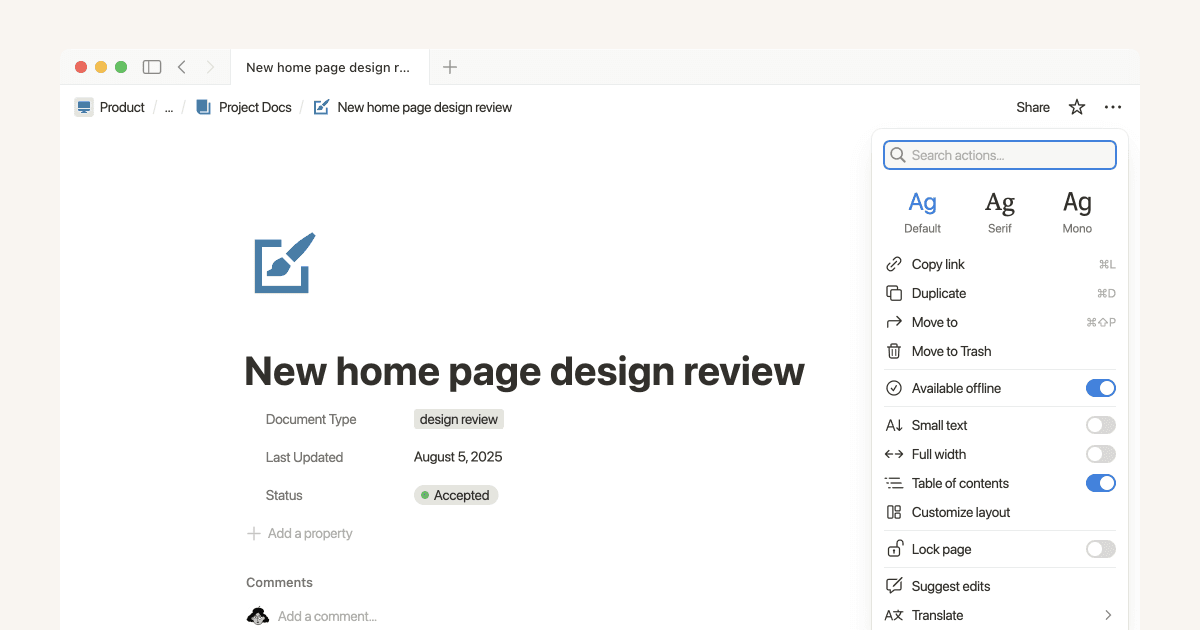
I suggest a two-week trial on a specific process. Maybe it's documenting a customer support procedure or mapping out a product development cycle. Use Notion AI to draft, organize, and refine documents, but keep an eye on whether it actually saves time or just complicates things.
- Focus on clarity and utility
- Avoid unnecessary complexity
- Stick to one workflow during testing
Clarity over complexity
Documentation should be clear, not just clever. If Notion AI makes your docs harder to follow, it's not helping. I would prioritize clarity and utility over adopting new tools for the sake of it. If your team can't easily use the documentation, then AI hasn't solved anything.
Check out how [Notion](https://www.notion.com/product/ai) compares to Airtable for more insights on choosing the right tool for your needs.
Avoid reshaping plans based on trends
Trends come and go, but your documentation needs to be reliable and effective. Don't reshape your startup plans just because AI is trending. Focus on what your team and your customers actually need.
For startups looking to refine their documentation processes, Notion vs Airtable might offer more insights.
End with one sharp practical sentence. No summary, FAQ, or conclusion section.