Tech Revenue Brief
Ai Tools

Glean AI: Transforming Budget Management for Enterprises in 2023

Discover how Glean AI is revolutionizing budget management for enterprises, achieving over $300M in revenue through innovative cost-cutting tools.

Start Here

TL;DR

  • Glean AI's revenue growth highlights the demand for AI-driven budget management tools.
  • Financial professionals should leverage Glean's insights for strategic cost reduction.
  • Monitoring competitor responses will be crucial for understanding market dynamics.

Plain English

What this means

Glean AI's revenue growth highlights the demand for AI-driven budget management tools. This briefing is written for operators who want a fast read first, then a practical plan—not a generic news recap.

ai-tools briefing

Audience

Who should care

  • Ai Tools operators evaluating their next move
  • Founders and publishers who need a decision framework, not more hype
  • Teams turning search demand into pages, tools, or offers

Scan Path

Answer first, details second

Trust Cue

Source linked for verification

Time Cost

3 min read

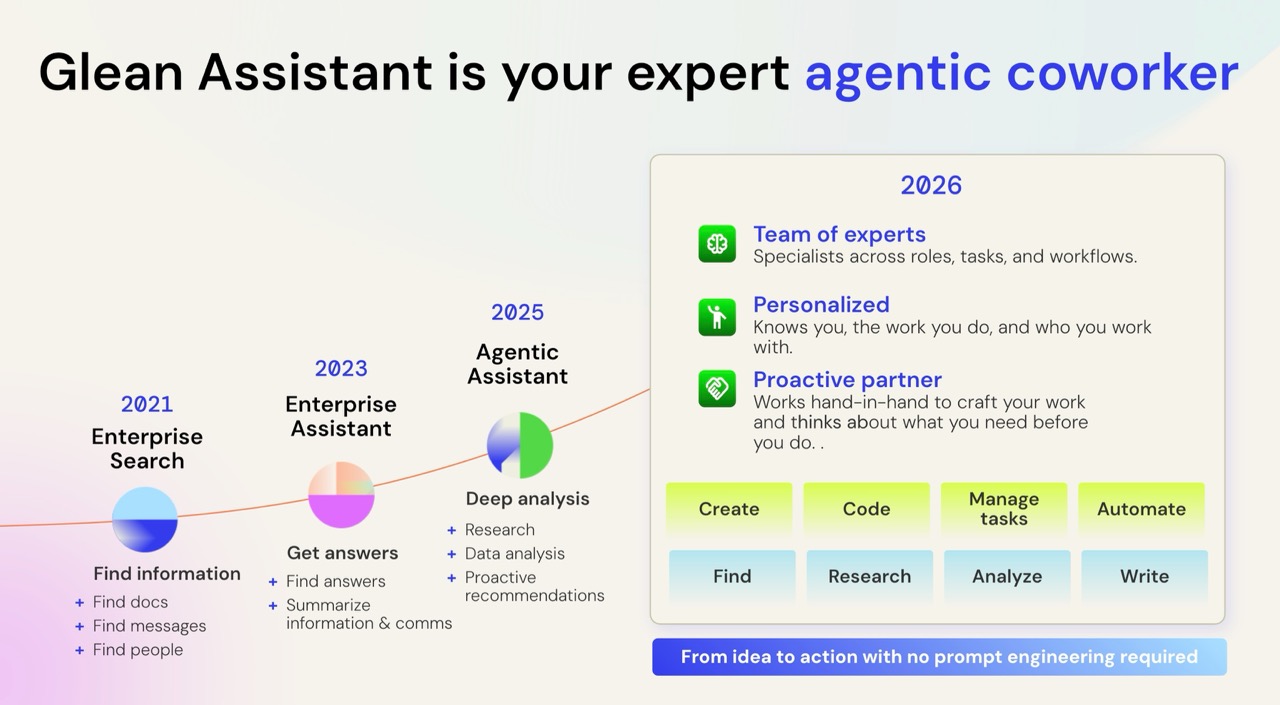
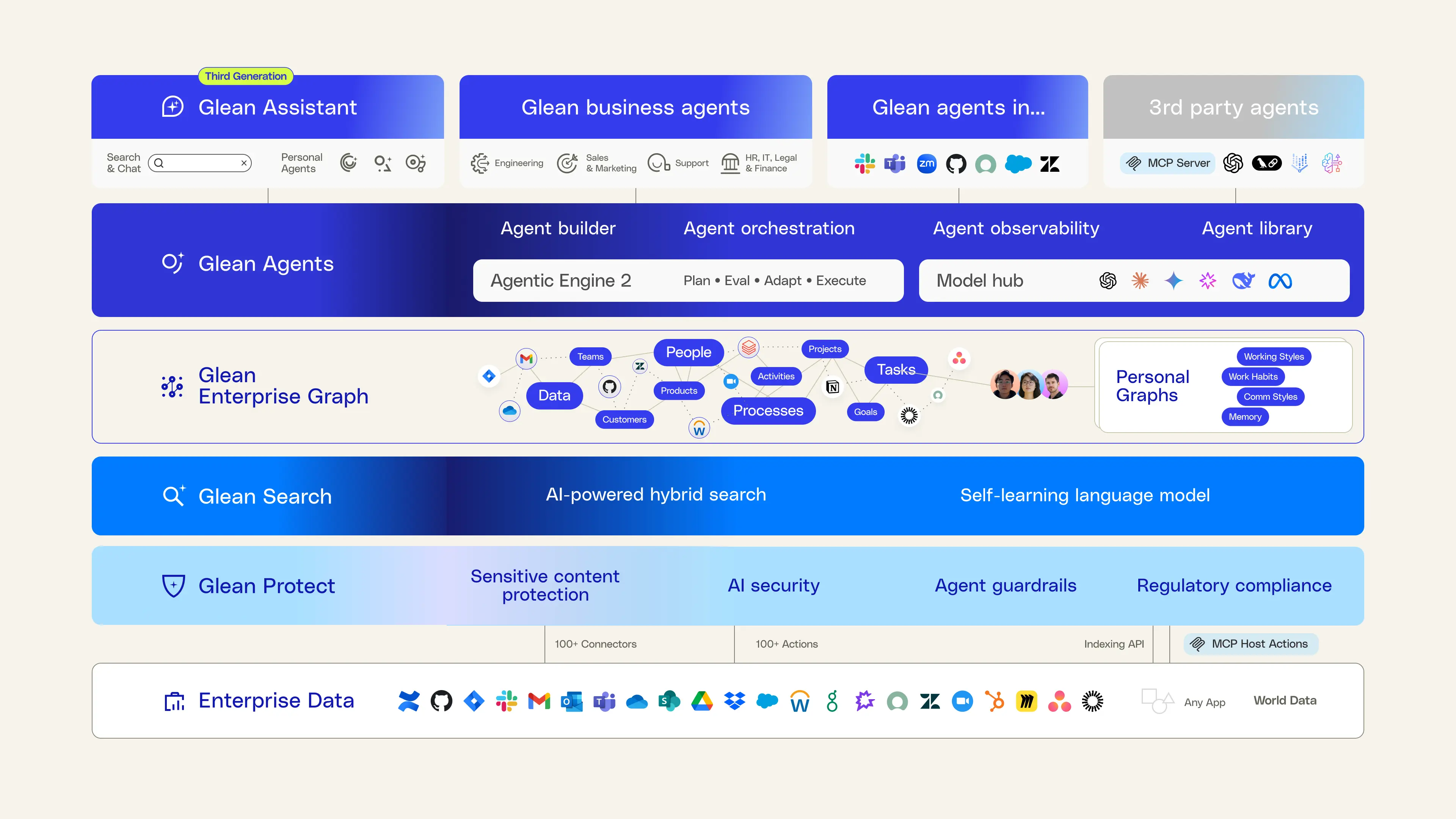
Glean's recent success, with annual revenue surpassing $300 million, highlights its critical role in AI budget management amidst a competitive landscape. As tech giants increasingly focus on AI tools, Glean has carved out a niche by offering solutions that specifically address budget-cutting needs for enterprises. This is particularly timely as companies are under pressure to optimize their spending in the wake of economic uncertainties.

Quick Answer

Glean AI is positioning itself as a leader in the AI budget management space, leveraging its technology to help businesses reduce costs effectively. This is essential for professionals managing budgets in an era where financial efficiency is paramount.

Practical Implications

For professionals in the B2B sector, the rise of Glean AI signifies a shift towards more sophisticated financial tools that utilize AI to analyze and optimize spending. This trend is crucial for CFOs and financial managers who need to justify expenditures and seek efficiencies in their operations. Glean’s tools can help identify areas where costs can be trimmed without sacrificing quality or performance.

Moreover, the competitive landscape means that businesses must stay ahead of the curve. By adopting AI budget management tools like Glean, professionals can not only streamline their processes but also gain insights into spending patterns that can inform strategic decisions.

What to Watch Next

Keep an eye on Glean’s upcoming features and how they integrate with existing financial systems. As the demand for AI-driven budget solutions grows, understanding these integrations will be key for professionals looking to enhance their financial operations. Additionally, monitor the responses from competitors as they may introduce similar tools or features, which could impact Glean's market position.

FAQ

What is Glean and how does it help with budget cutting? Glean is an AI-driven tool that helps enterprises manage their budgets more effectively by identifying cost-saving opportunities.

How can AI tools like Glean reduce costs? AI tools analyze spending patterns and provide actionable insights that help businesses streamline expenses.

What features does Glean offer for budget management? Glean offers features such as real-time analytics, cost forecasting, and performance tracking to enhance budget management.

Is Glean suitable for small businesses looking to cut costs? Yes, Glean's scalable solutions can benefit businesses of all sizes aiming to optimize their budgets.

How does Glean compare to other AI budget tools? Glean differentiates itself with its focus on enterprise needs and specific budget-cutting functionalities.

What industries can benefit from Glean's budget-cutting features? Industries like tech, retail, and manufacturing can leverage Glean’s insights to enhance their financial efficiency.

How do I get started with Glean for budget management? Visit Glean's website to explore demo options and learn how to implement their solutions in your organization.

Source: TechCrunch AI.

Operator take

What we would do

We would not chase every AI announcement. Pick one workflow bottleneck—writing, coding, SEO, or ops—and test whether the tool actually saves time after the free trial ends.

Example

Example: testing an AI coding tool on a real shipping week

Setup

A solo founder ships 2 features per month and spends ~6 hours/week on boilerplate refactors.

What we would do next

If the tool saves 90+ minutes per week on scoped tasks without introducing review debt, it is worth paying for. If not, keep the free tier and revisit after the workflow is clearer.

Action plan

What we would test first

  1. 1Run one real task end-to-end and log time saved vs review time added.
  2. 2Compare total monthly cost at your realistic usage tier.
  3. 3Check whether output quality is good enough to ship without heavy editing.

Watch out

Mistakes to avoid

  1. 1Publishing a summary without a clear recommendation or next step.
  2. 2Chasing every related keyword instead of one primary page job.
  3. 3Ignoring Search Console or analytics when the topic is search-driven.
  4. 4Switching tools before measuring whether the old workflow was the real bottleneck.
  5. 5Assuming token-based pricing will match your actual usage pattern.

Next steps

Turn this into action