I have seen startups jump on the meme bandwagon, hoping for viral fame, only to end up with a bunch of likes and no sales. Memes can spread fast, but they do not guarantee useful attention unless they hit a nerve with your audience.
Use memes in your marketing strategy only when they tie directly to a real customer pain point. A meme that resonates with a specific annoyance can drive engagement and potentially conversions. Avoid using memes just for reach if immediate signups or sales are your goals.
The mistake most people make here
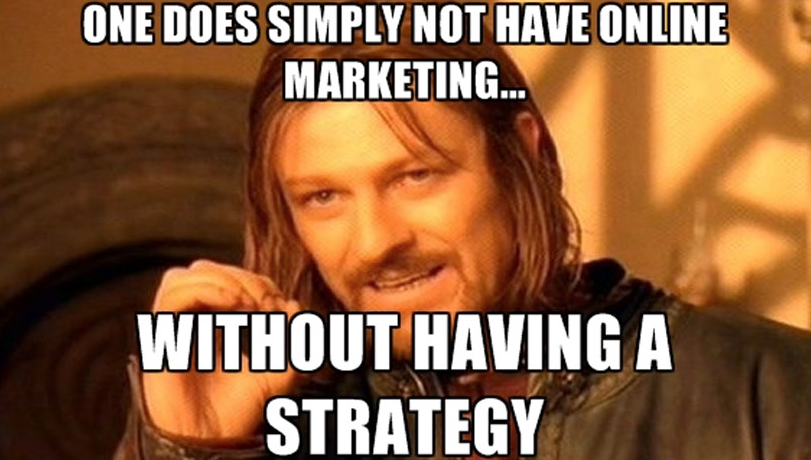
The biggest mistake is posting memes without a clear connection to your product's value. If your product is serious, a meme can feel out of place and may even harm your brand's credibility. Start with identifying a specific customer annoyance and craft a meme around that.
When memes actually work
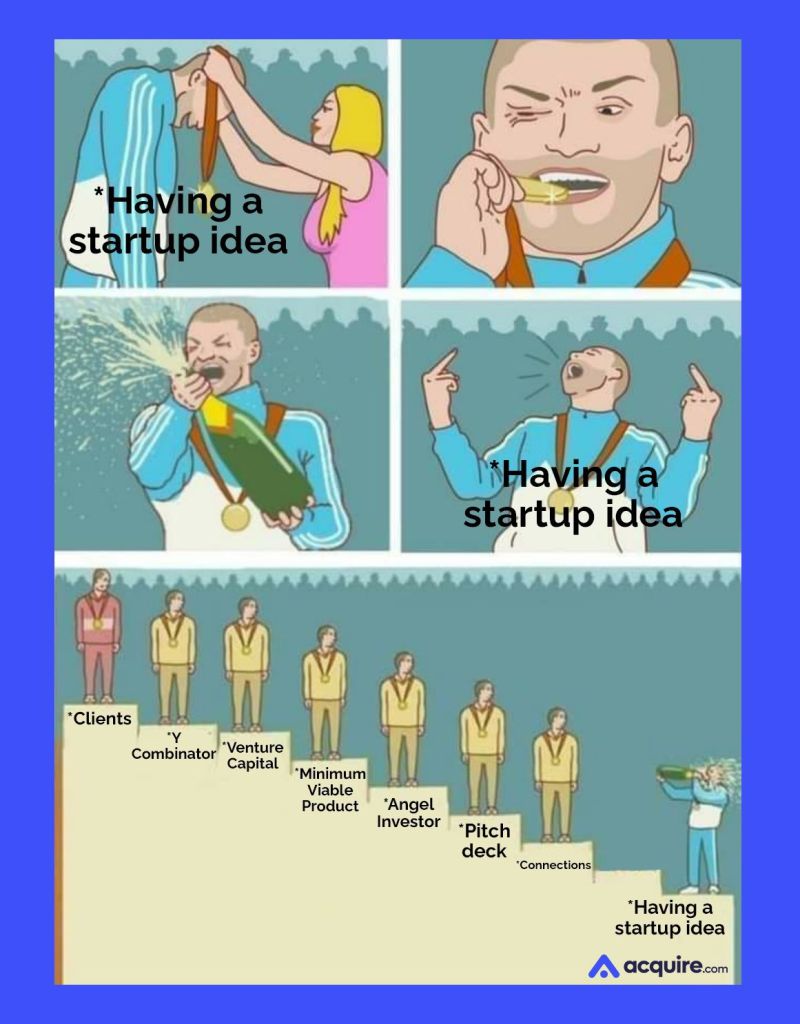
Memes work best when your product is easy to explain and the meme itself highlights a relatable problem. For example, if you are marketing a SaaS tool that simplifies billing, a meme about the frustration of manual invoicing could resonate well. This approach ensures the meme is not just funny but also meaningful.
Tone matters more than you think
The tone of your meme should match your brand's voice. A light-hearted meme might work for a casual app, but if you are in fintech or another serious industry, the tone needs to be carefully considered. An off-tone meme can alienate your audience faster than you think.
If you are still unsure, try using a **Free Meme Generator** to test different concepts before committing. Remember, a meme should not just be a joke; it should be a strategic part of your marketing plan.