I would not blindly add an AI headline generator to my publishing strategy just because it's trendy. These tools can produce a lot of options quickly, but that doesn't mean they're all good. A headline needs to do more than just grab attention; it has to promise something the article delivers.
AI headline generators can save time, but don't rely on them entirely. Test one workflow for two weeks to see if it actually improves engagement. Keep explanations simple when discussing decisions with customers, and never mimic competitors or buy enterprise tools for a small team.
The mistake is thinking AI will solve everything
People often expect AI to magically fix their content strategy. It won't. AI can generate headlines, but you still need to know your audience and what they care about. Before using a tool, I would clarify what makes a headline effective for my specific readers.
Test on a real workflow
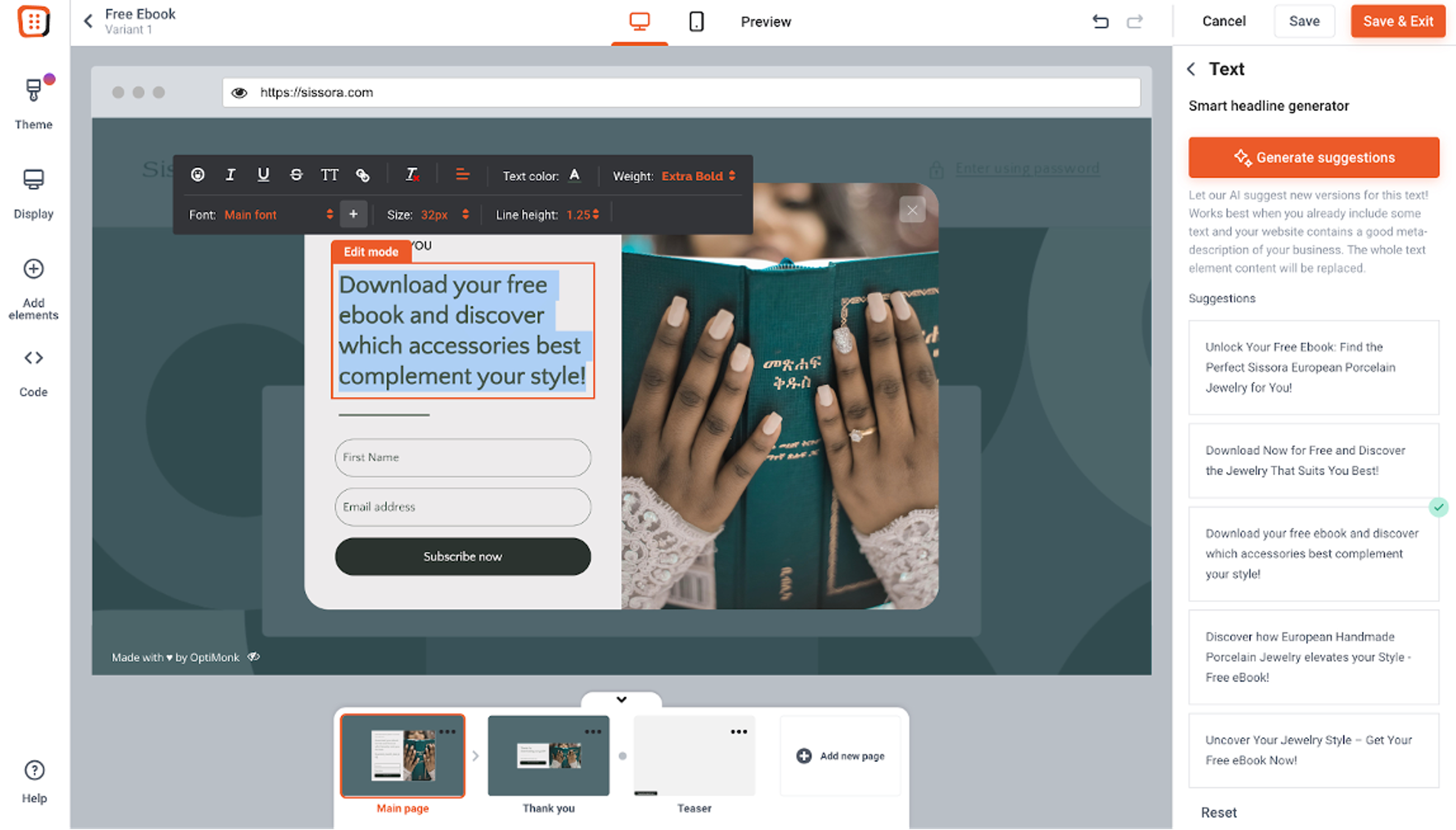
I would choose one article type or format and use the AI tool exclusively for that. Run it for two weeks and track metrics like click-through rate and time on page. If I don't see improvement, it's back to the drawing board.
Explain decisions without jargon
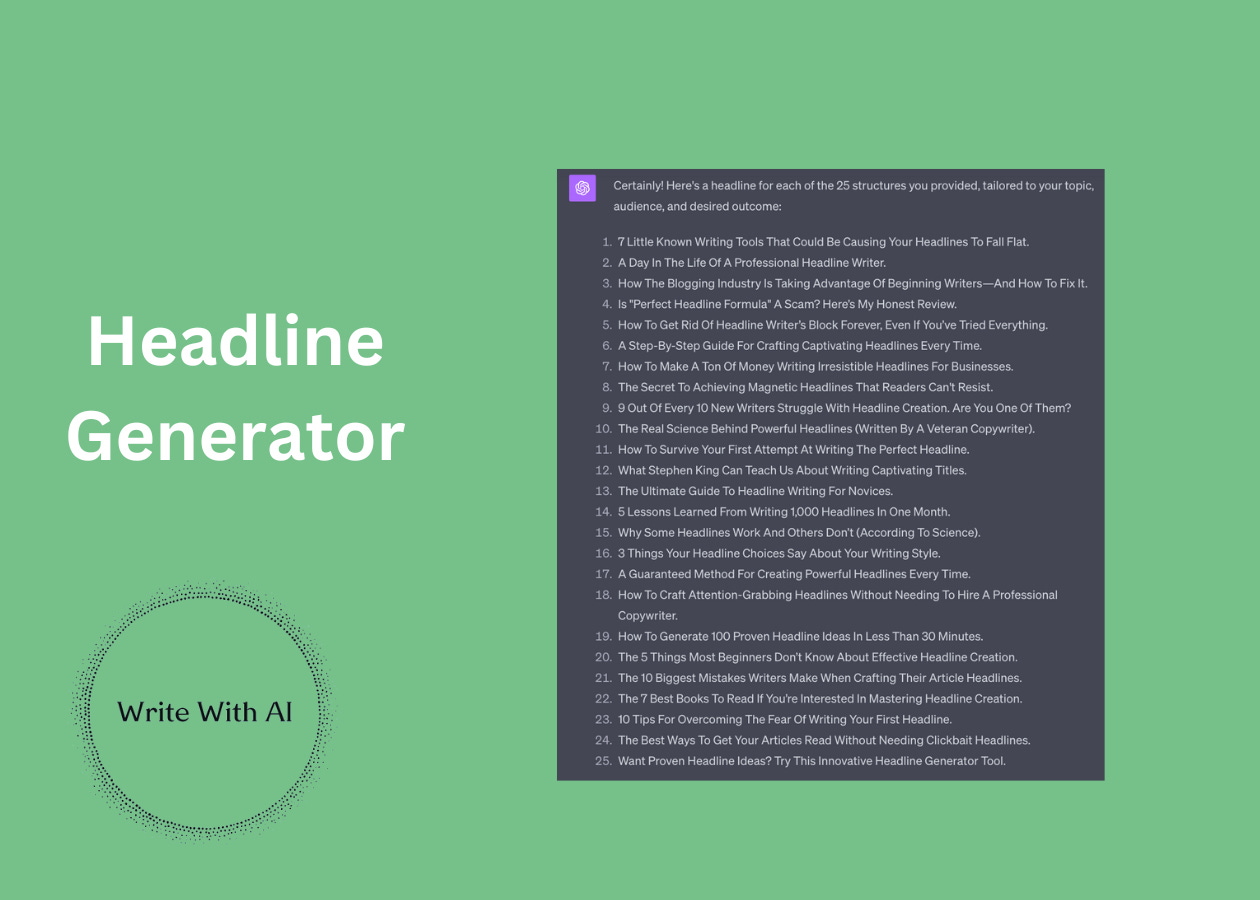
Customers don't care about AI; they care about results. If a headline generated by AI doesn't perform, I need to explain why in plain language. "We tried something new" is better than "Our AI-driven solution failed to engage target demographics."
Avoid copying competitors
It's tempting to look at what others are doing and try to replicate it. But copying competitor landing pages or buying enterprise software for a small team usually backfires. Focus on what works for your audience and your resources.
Test, adapt, and don't let AI be the boss of your content. That's how you integrate it effectively.