I would not jump on the remote work bandwagon just because it's trending. The real question is whether a tool like FlexJobs can deliver actual business outcomes. Too many companies adopt remote work policies without a clear plan, and that often leads to more chaos than productivity.
Use FlexJobs to find remote work opportunities, but focus on testing real workflows before committing to new tools or trends. Prioritize workflows that can be explained clearly to your team and customers.
The mistake most people make here
Most companies rush to use remote work tools without verifying what they need to achieve. I suggest running a two-week test on a specific workflow. If you can't explain why you're using a tool without jargon, it probably won't help your team.
Why FlexJobs stands out
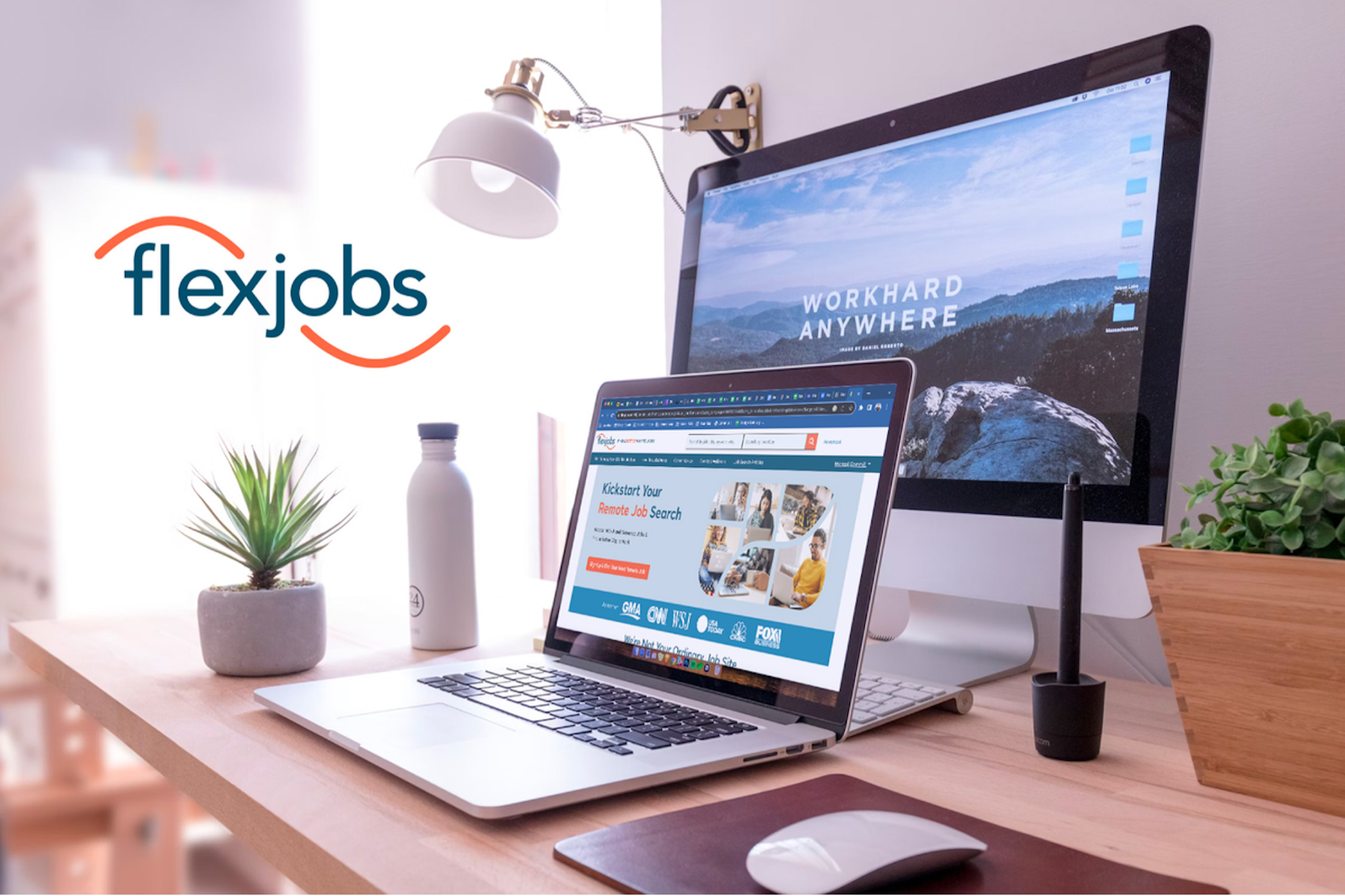
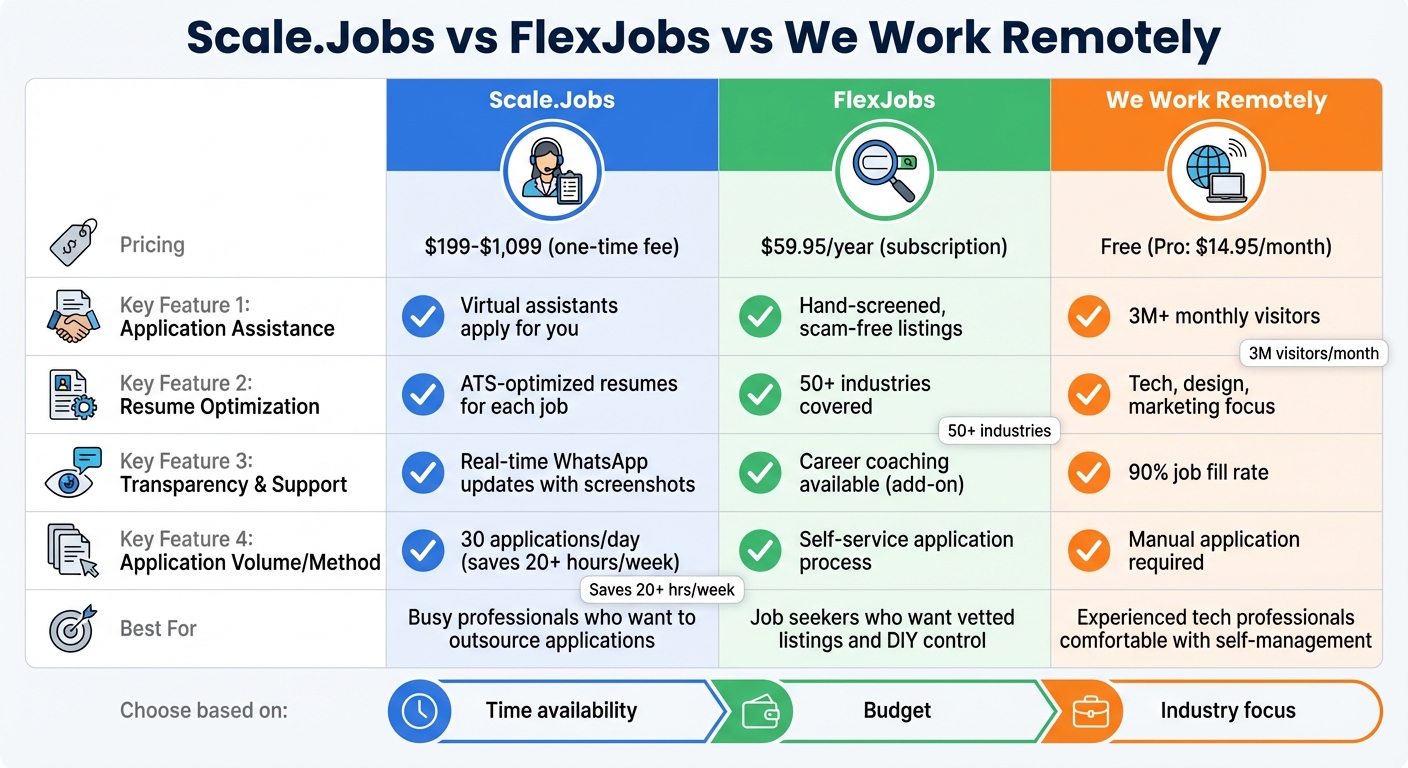
Unlike other platforms, FlexJobs offers a curated list of remote jobs that focus on quality over quantity. This is crucial for businesses that can't afford to waste time on irrelevant applications. FlexJobs also provides resources to help you understand the remote job market better.
Testing real workflows
Before diving into a full-scale remote work setup, test one real workflow for two weeks. Track measurable outcomes like productivity, communication clarity, and task completion rates. This data will guide your next steps better than any trend analysis.
Clear communication over trends
The focus should be on clear communication. If your team can't articulate what they're doing and why, then you're just following a trend. Use tools like Slack or Zoom for communication, but ensure everyone knows how and why they're being used.
Don't get swept up in trends; focus on what works.