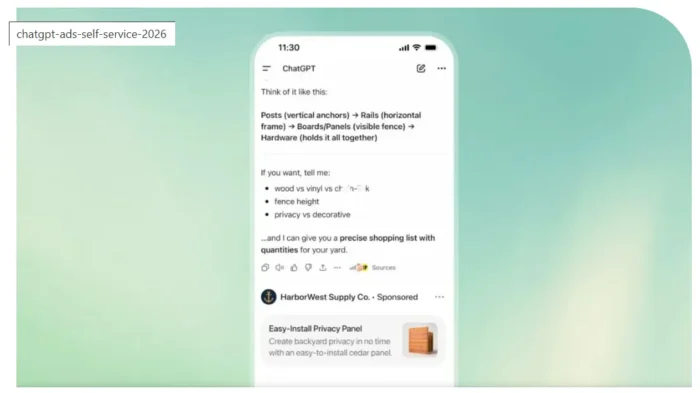
I would not treat ChatGPT advertising like magic. It's tempting to dive into a platform that processes 2.5 billion prompts daily from 800 million users, but raw numbers don't guarantee results. If you're thinking of using ChatGPT ads, remember: volume isn't the same as engagement.
That part matters.
I would check that first. I would still verify this manually, because the dashboard can look clean while the actual workflow stays messy and nobody can explain which page, source, or campaign created the result.
The mistake most people make here
Most marketers get excited about the lack of minimum spend requirements. It's true, small businesses can experiment without a hefty budget. But without a clear strategy, you're just throwing money into the void. Before placing a single ad, ask yourself: what does my audience really talk about? If you can't answer that, you're not ready.
I have used platforms where the CPC and CPM bidding options seemed straightforward. Yet, the real challenge was understanding the conversational context. Ads displayed based on ongoing dialogue sound great, but if your message doesn't align with the user's intent, it's a miss. OpenAI's official documentation can help, but it won't replace knowing your audience.
Why landing pages matter more than ever
Your landing pages need to match the user's intent derived from ChatGPT conversations. This isn't about a generic "learn more" page. If a user engages in a dialogue about eco-friendly products, your landing page better reflect that specific interest. I would start with one page, not a full site audit. Test it against the dialogue-driven traffic first.
I once ran a campaign where the landing page was too generic. Users came from a specific conversation about sustainable fashion, but the page just listed products. The bounce rate was embarrassing. If you're not tailoring your landing pages, you're wasting clicks.
The metrics that actually matter
I would not rely solely on impressions and clicks. In a platform like ChatGPT, engagement metrics take center stage. Are users interacting with your ad or just scrolling past? Your first move should be running a free trial on a single campaign before committing. Use Tech Revenue Brief's Business Data Generator to refine your target audience.
Another mistake is ignoring conversion rates. It's easy to blend in in the sea of prompts and user interactions, but what counts is the conversion. If your ad doesn't lead to a meaningful action, it's not working. I would not trust the default settings here — they are optimized for the platform, not for you.
Quick Answer
Use ChatGPT ads to test waters, not to make big waves immediately. Start with a small budget, focus on specific conversations, and align your landing pages with user intent. Monitor engagement and conversion metrics closely. Don't let the setup wizard decide your budget.
Practical tip: Treat ChatGPT ads as a chance to learn, not just to sell. Every conversation is a window into your audience's mind. Use it wisely.
I would not turn on ChatGPT ads and walk away. Check it weekly. Your strategy needs constant tweaking to stay relevant.